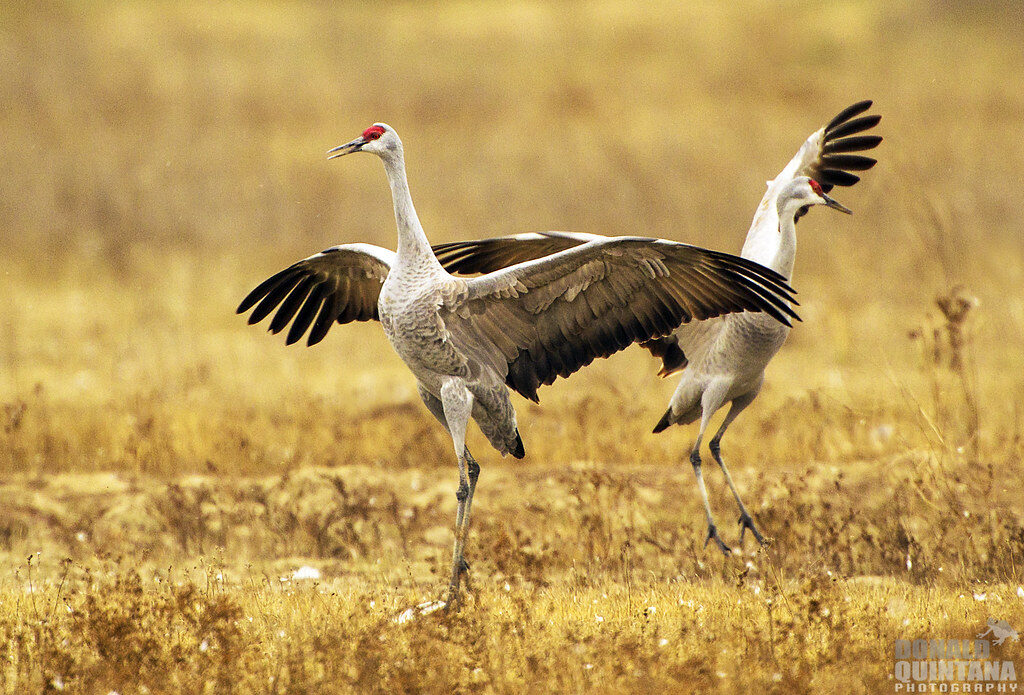
A bird flying into California right now has been around since before humans existed, and it’s free to watch
Right now, while you’re reading this, birds that showed up on Earth millions of years before humans did are dropping out of the sky over California’s Central Valley. Sandhill cranes have been making this exact fall migration since long before anyone was around to watch them do it. This year’s arrival is already underway, and you don’t need a permit, a boat, or a guide to see it — just decent directions and a little patience.
Psst — we made you a West Coast Adventure Map. Nearly 1,900 of our favorite spots, already pinned, ready to load into Google Maps in two clicks — grab it here.
Older than the ground they’re landing on
The sandhill crane’s fossil record stretches back roughly 2.5 million years, per the Cornell Lab of Ornithology, making it one of the oldest bird species still alive today. That’s well before Homo sapiens showed up. These aren’t small birds, either — Greater Sandhill Cranes stand close to five feet tall with a seven-foot wingspan, and their deep, rolling call carries for miles.
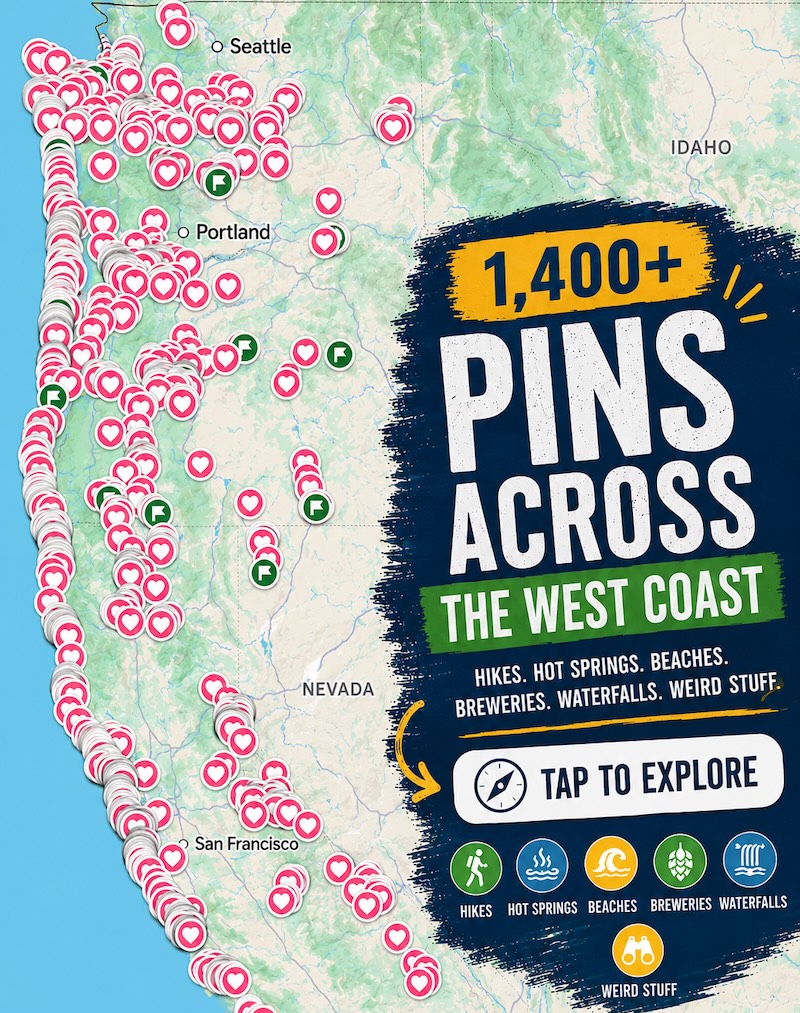
📍 GET THE ULTIMATE CALIFORNIA MAP 🗺️
Get our curated list of the best adventures and things to do north of LA loaded onto your maps with just two clicks!
✅ Waterfalls ✅ Hikes ✅ Viewpoints
✅ National Parks ✅ 1400+ Pins
Why late September matters
Sandhill cranes start arriving in California’s Central Valley in late September, build in number through October, and peak around mid-December before heading back north in February. The birds gathering in the wetlands south of Sacramento right now are just the opening act — reason enough to go early, then go back again once the numbers swell.
Where to actually find them
Cosumnes River Preserve
About 20 miles south of Sacramento in Galt, Cosumnes River Preserve is free to enter and spans more than 50,000 acres of wetlands and grassland. The one-mile Lost Slough Wetlands Trail boardwalk puts you right in crane habitat, there’s a self-guided driving tour if you’d rather stay in the car, and you can even paddle the river by kayak for a completely different angle on the same birds.
Woodbridge Ecological Reserve
Also known as the Isenberg Sandhill Crane Reserve, this spot sits just west of Lodi and might be the single best place for the classic crane experience: hundreds of birds flying in low to roost right around sunset, calling to each other the whole way down. Pull off at one of the turnouts along Woodbridge Road and wait — you won’t need binoculars for long.
🏨 Need a place to crash nearby?
From rustic cabins to boutique inns—check prices and availability in just a click.
Staten Island Road
Managed by The Nature Conservancy off Walnut Grove Road, Staten Island Road cuts through flooded farmland that draws thousands of cranes and other migratory birds all fall and winter. The pavement turns to gravel a couple of miles in, and a sign marks where public access ends — everything past that point is private, so respect it.
If you want the full production
The Lodi Sandhill Crane Festival returns November 6–8, 2026, in Lodi — California’s self-declared Zinfandel Capital — with guided sunset tours, wildlife talks, and an art show built entirely around the birds. Admission to the festival grounds itself is free; the guided tours are what you pay for, and those tend to sell out.
A few ground rules
Sandhill cranes flush easily, so keep a distance of at least 400 yards and dial down the noise — save the excited whisper-yelling for the car. Dawn and dusk are when you’ll see the most action, as birds fly out to feed or back in to roost. Dusk wins, honestly: watching a few hundred cranes drop out of an orange sky beats any sunrise.
Trip tips: grab a rental car to reach the wetlands south of Sacramento, or lock in a hotel in Lodi if you want dawn and dusk viewing on the same trip.
Rules and fees change — always confirm current requirements before you go.