California’s coast holds the densest population of blue whales on Earth, and this is the best two months of the year to see one
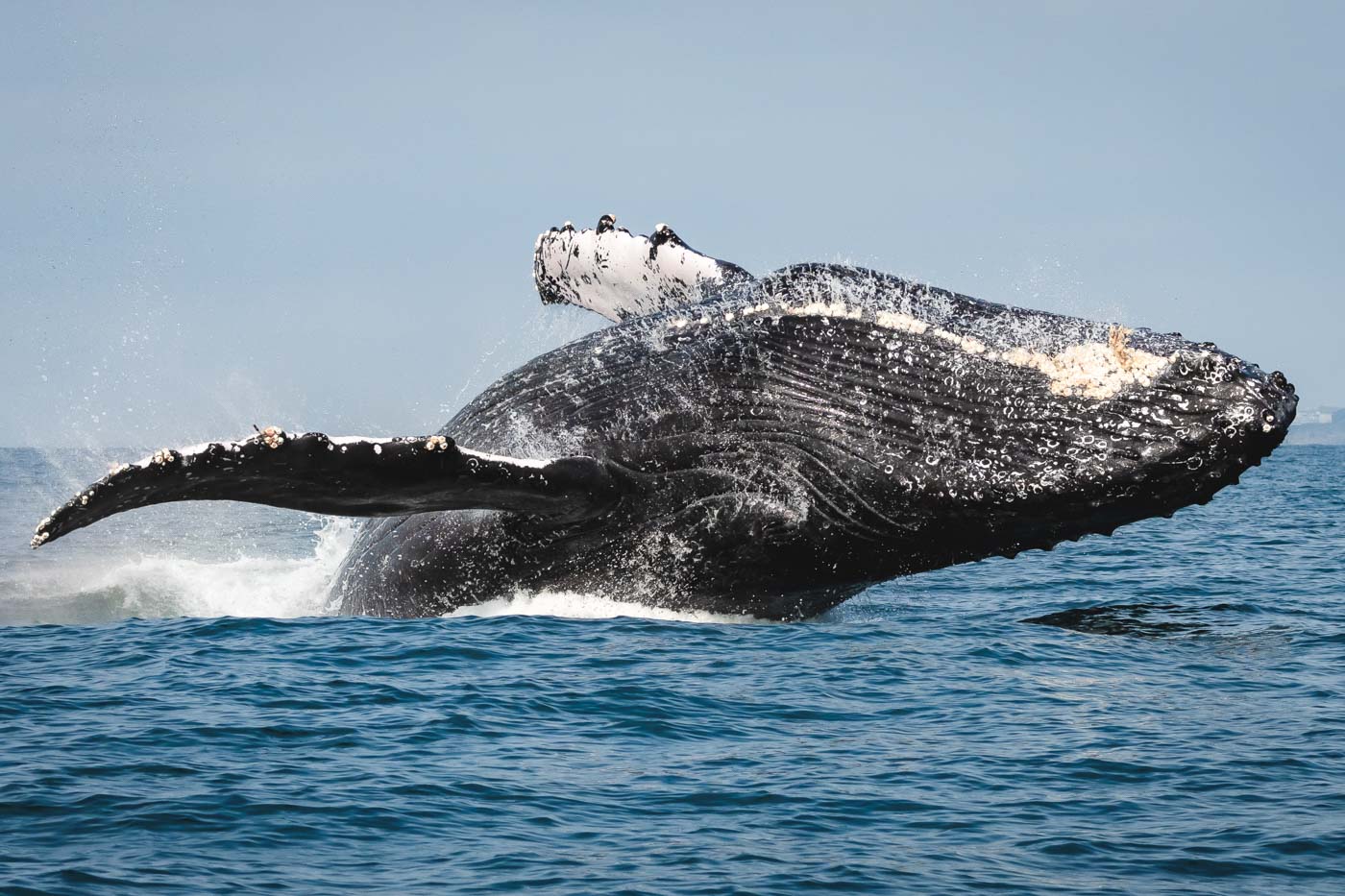
Somewhere off the California coast right now, an animal bigger than any dinosaur that ever lived is filling up on krill before it heads south for winter. Blue whales stretch close to 100 feet nose to tail — about three school buses parked end to end — and can weigh 200 tons. Nothing larger has ever existed on Earth, and for the next couple of months, California has one of the best shots anywhere at watching one surface.
Blue whale season runs roughly May through October, timed to when cold water wells up from the deep and krill blooms thick enough to feed on. August sits right in the thick of it, with humpbacks and the occasional minke whale working the same waters.
Two stretches of California coast handle most of the sightings: the Channel Islands off Santa Barbara, and Monterey Bay two hundred miles north. A quieter, closer-to-shore option sits in between.
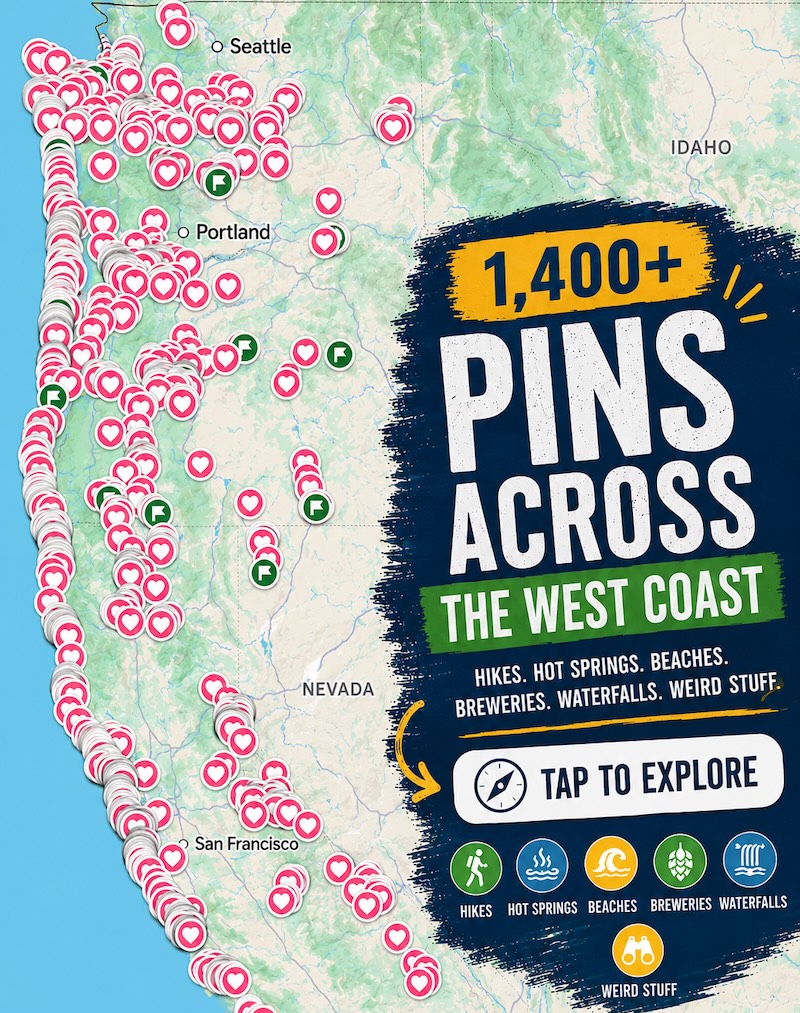
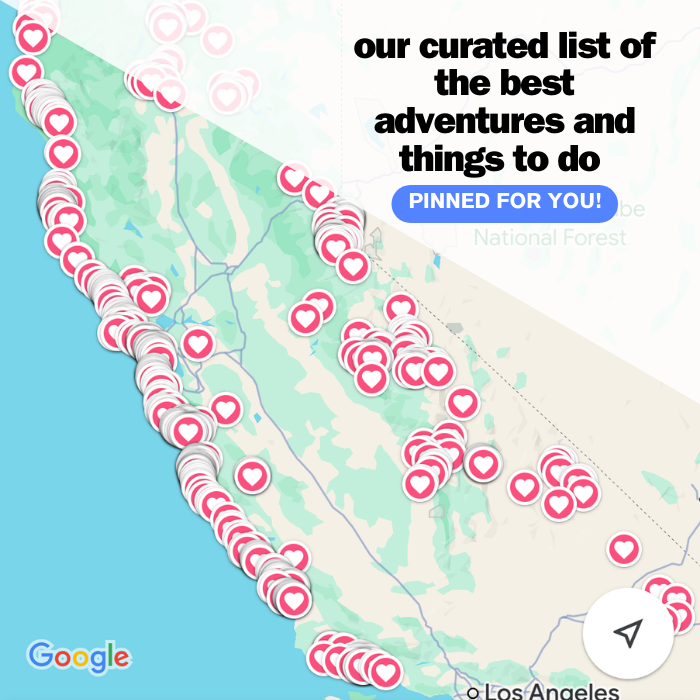
Psst — we made you a West Coast Adventure Map. Nearly 1,900 of our favorite spots, already pinned, ready to load into Google Maps in two clicks — grab it here.
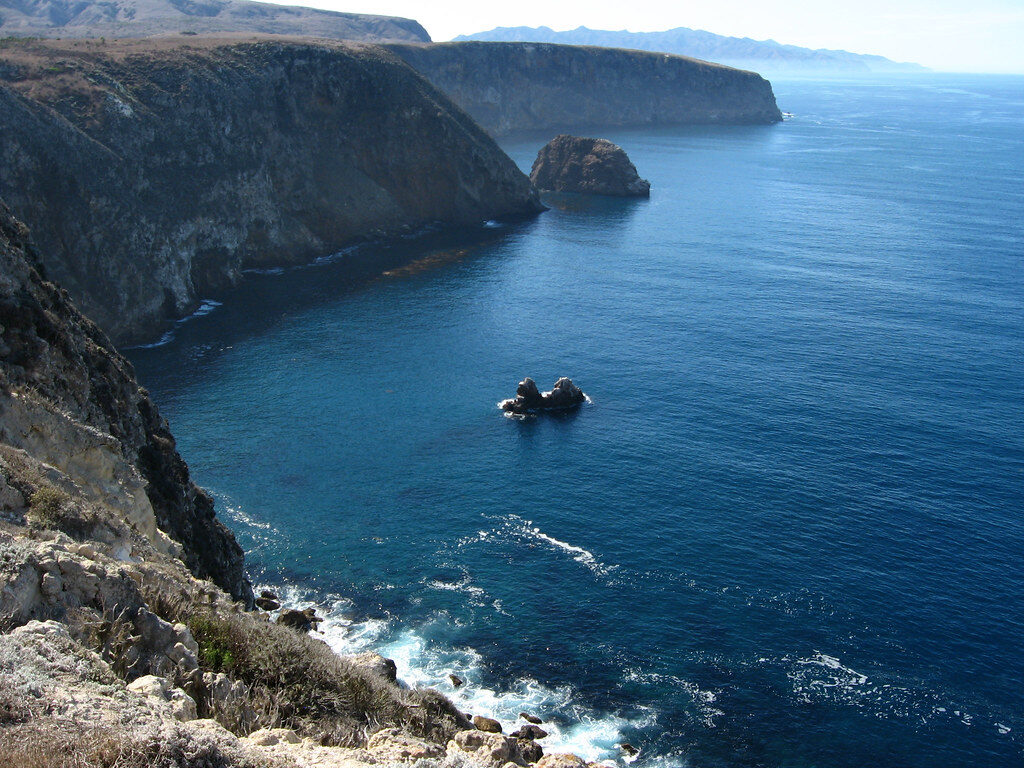
The Channel Islands hold the densest blue whale population on the planet
NOAA doesn’t hedge on this one: the waters around the Channel Islands are home to the densest seasonal population of blue whales anywhere in the world. They funnel into the Santa Barbara Channel every summer to gorge on krill kicked up by the seafloor’s upwelling, and it’s a big part of why NOAA protects this stretch of water as a national marine sanctuary.
Whale watching operators run boats out of Ventura and Santa Barbara timed to the migration, and this isn’t a might-get-lucky kind of trip — it’s the reason people fly in from other states to book one.
The sanctuary also works to slow vessel traffic through the channel to cut down on ship strikes, which NOAA lists as one of the biggest threats to blue, fin, and humpback whales recovering their numbers.
📍 GET THE ULTIMATE CALIFORNIA MAP 🗺️
Get our curated list of the best adventures and things to do north of LA loaded onto your maps with just two clicks!
✅ Waterfalls ✅ Hikes ✅ Viewpoints
✅ National Parks ✅ 1400+ Pins
Monterey Bay’s underwater canyon does the heavy lifting
Monterey Bay has its own trick: a submarine canyon that plunges roughly 2.5 miles down, more than twice the depth of the Grand Canyon, and runs almost up to the shoreline. That drop-off drags cold, nutrient-rich water up fast, which is exactly what pulls humpbacks in close enough that boats don’t have to travel far offshore to find them.
Tours leave from Monterey and Moss Landing through the summer, and the same trip regularly turns up blue whales, dolphins, and sea otters without ever leaving the bay.
San Luis Obispo County, for a quieter and cheaper look
Skip the boat altogether and head toward Pismo Beach and Morro Bay, where humpbacks sometimes feed close enough to shore in late summer that kayakers occasionally paddle within sight of one. It’s a gentler, cheaper way in if a multi-hour boat charter isn’t what you’re after. San Luis Obispo has plenty to fill the rest of the day once you’re in the area.
A boat trip beats a lucky shoreline sighting almost every time — the distance you can cover and the guides spotting for you make a real difference — but the coastline option is still worth the drive if a boat isn’t in the cards.
Which one are you starting with — the islands, the bay, or the quieter coastline?
Trip tips: grab a rental car to get out here, lock in your hotel before the good rooms are gone, or skip both and book a camper van instead.