Joshua Tree’s biggest palm grove is almost 4 miles from the nearest parking lot, and fall is when the hike finally makes sense
The best oasis in Joshua Tree National Park has nothing to do with Joshua trees. It sits at the bottom of a rocky canyon in the park’s quiet southern corner, and the only way to see it is on foot, almost four miles each way.
That’s Lost Palms Oasis, home to the largest stand of fan palms in the park. Now that summer’s heat is finally backing off, the hike starts to make sense again.
Two deserts, one park
Most people see Joshua Tree along Park Boulevard, where the spiky namesake trees crowd around piles of giant granite boulders. That’s the Mojave Desert side of the park, and the Joshua trees grow in big stands across its western half.
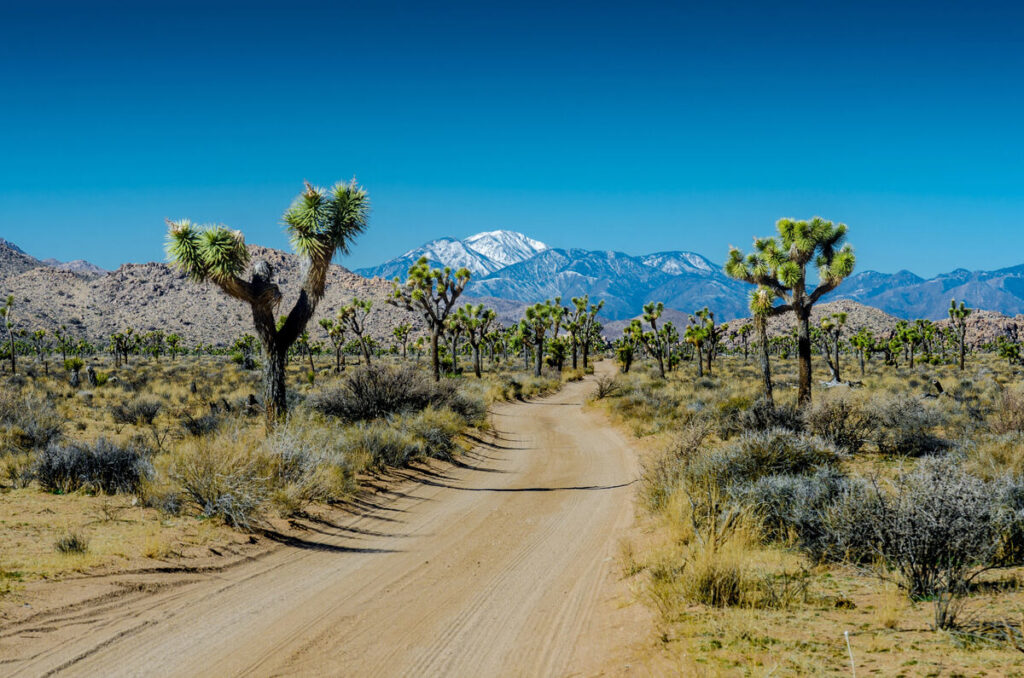
Drive south and the whole place changes character. The park’s southern and eastern sections belong to the Colorado Desert, a western arm of the Sonoran, where spindly ocotillo and “jumping” cholla cactus take over.
Cottonwood Spring sits down here, about seven miles in from the park’s south entrance. Earthquake activity created the spring, and the Cahuilla people relied on it for centuries before gold-era prospectors and teamsters turned it into a water stop.
📍 GET THE ULTIMATE CALIFORNIA MAP 🗺️
Get our curated list of the best adventures and things to do north of LA loaded onto your maps with just two clicks!
✅ Waterfalls ✅ Hikes ✅ Viewpoints
✅ National Parks ✅ 1400+ Pins
The hike to Lost Palms Oasis
The trail runs 7.5 miles round trip with about 500 feet of elevation gain, and the National Park Service rates it challenging. That gain number makes it look tamer than it is, since the hardest part comes right at the end.
You’ll cross sandy washes and rocky ridges with almost no shade, through cholla and ocotillo country that looks like a different planet from the boulder piles up north. Then the trail tips into the canyon and, out of nowhere, there’s green: a grove of tall, shaggy palms gathered around a permanent water source.
The catch? Climbing back out of that canyon is the strenuous part, and it hits when your legs already think they’re done. Take your time down at the palms first. You walked a long way for that shade.
Why a palm grove in the desert is a big deal
California fan palms are native to the low, hot deserts of Southern California, and they can grow up to 75 feet tall. They only take root where a steady water source reaches the surface. That often happens along fault lines, where hard rock forces groundwater up.
Water in the desert draws everything in. Bighorn sheep occasionally show up at Lost Palms, hooded orioles nest under the palm canopy, and western yellow bats roost only in palms.
That shaggy skirt of dead fronds hanging down each trunk is classic fan palm, too. A single frond can reach six feet long and six feet wide, so a full grove looks wonderfully overgrown.
When to go (and why it’s now)
Fall through spring is the window for this one. The Park Service doesn’t recommend the trail in summer heat, and with this little shade, it’s easy to see why.
Start early, and read the park’s hiking safety tips before you go, especially the part about bringing plenty of food and water. Rain matters out here too, because the Park Service lists flash floods among the most common causes of death for desert fan palms.
Want a shorter day? The 3-mile Mastodon Peak loop starts in the same Cottonwood Spring area and passes the old Mastodon Mine and Winona Mill Site. An easy stroll down Cottonwood Wash passes a second, smaller oasis on the way to a dry fall that can actually run in wet years.
Getting there
Joshua Tree charges a per-vehicle entrance fee, and an America the Beautiful pass covers it. Pets aren’t allowed on any trail in the park except the paved Oasis of Mara Trail, so this one’s a no-dog hike.
The park’s remaining 2026 fee-free entrance days are October 27 and November 11. Either one makes a good excuse to finally make the drive.
Cottonwood Campground is about half a mile from the spring, with 62 sites at roughly 3,000 feet plus water and flush toilets. Camping there gets you to the trailhead at first light, before the sun gets serious.
Trip tips: grab a rental car to get out here, lock in your hotel before the good rooms are gone, or skip both and book a camper van instead.
So, would you walk almost eight miles round trip for a palm grove in the middle of the desert, or are you a Mastodon Peak loop person? Tell us in the comments.
Rules and fees change — always confirm current requirements before you go.