This California butterfly grove once glowed with tens of thousands of monarchs, and last winter it counted 471
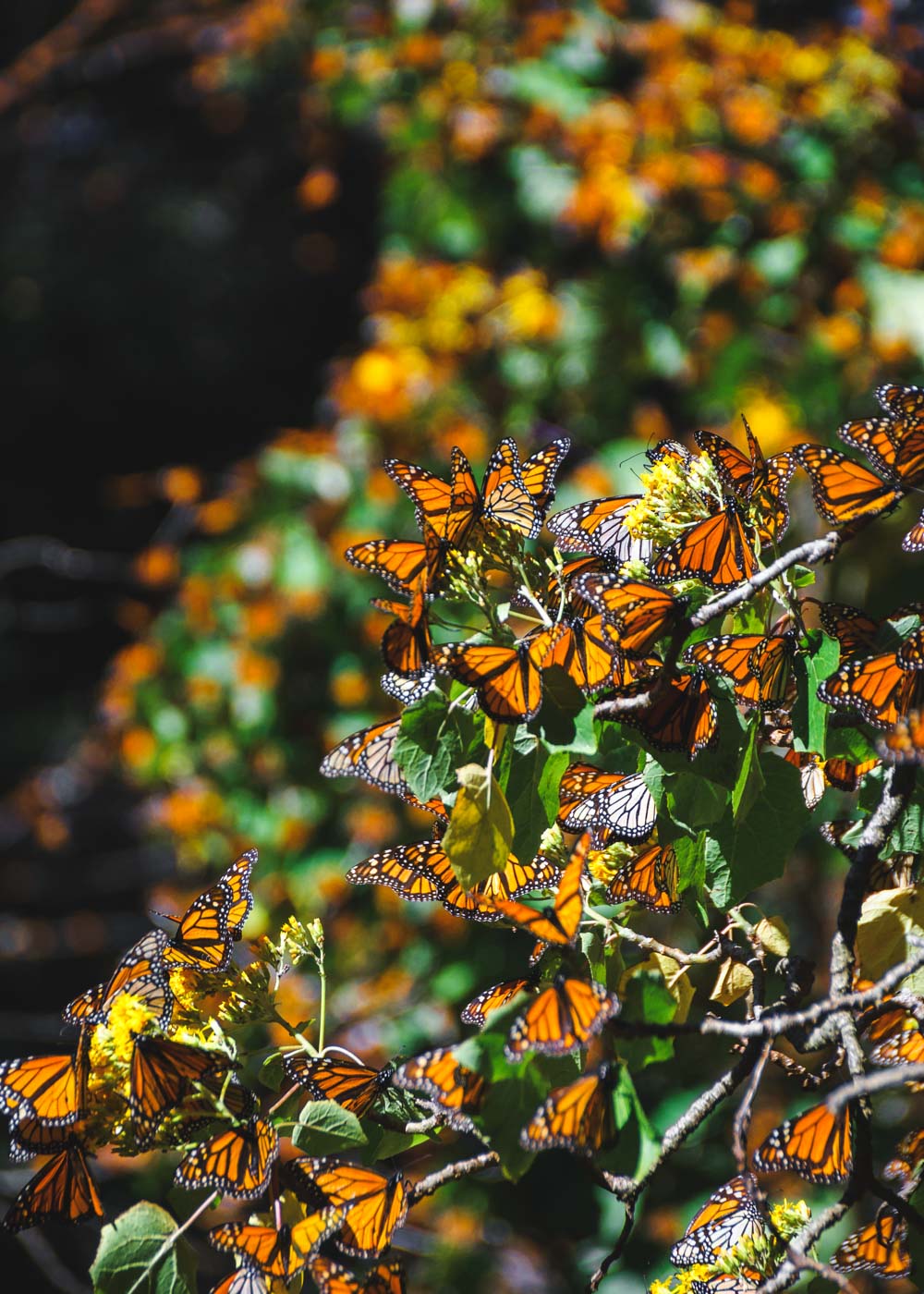
Twenty-five years ago, the eucalyptus trees at Pismo State Beach’s Monarch Butterfly Grove held so many monarchs that branches sagged orange under the weight of them. Last winter, volunteers counted 471 butterflies in the entire grove. That’s not a slow year — it’s the second-lowest count this specific site has ever recorded.
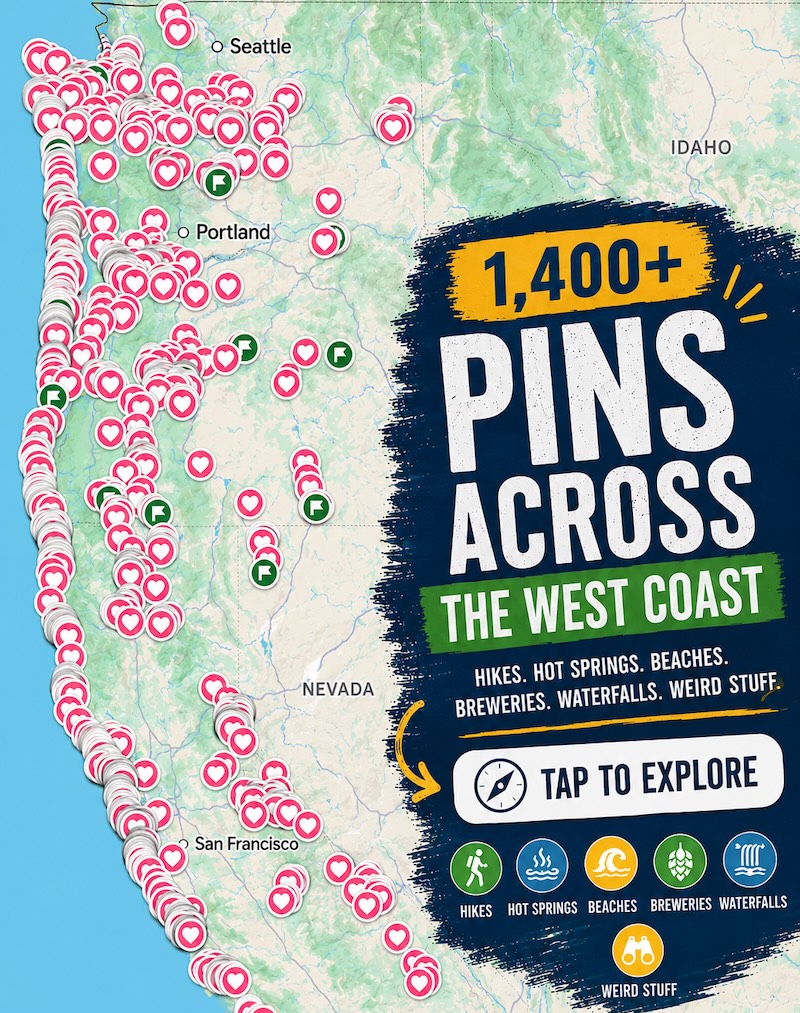
Psst — we made you a West Coast Adventure Map. Nearly 1,900 of our favorite spots, already pinned, ready to load into Google Maps in two clicks — grab it here.
The Pismo grove has long been one of the largest overwintering monarch colonies on the West Coast, one of more than 200 coastal California sites where western monarchs cluster for the winter. California State Parks says counts here have dropped roughly 90% compared to 25 years ago. The statewide picture isn’t much better: the 2025–26 Western Monarch Count tallied around 12,260 butterflies across the entire state, the third-lowest total recorded since tracking began in 1997.
Nobody has a clean answer for why. Cal Poly biologist Francis Villablanca, who studies the Pismo colony, has pointed to a mix of possible culprits — climate shifts, pesticide exposure, and the steady loss of coastal habitat — without landing on a single clear cause. He’s also pushed back on a common instinct: buying milkweed from a regular nursery can do more harm than good, since it’s often treated with pesticides that hurt the very butterflies it’s meant to help.
Why monarchs pick this exact stretch of trees
The grove’s eucalyptus and Monterey cypress trees create a windbreak with a very specific microclimate — cool enough to keep the monarchs’ energy reserves from burning too fast, sheltered enough that a hard freeze doesn’t kill them outright. Every butterfly that shows up this winter will be four generations removed from the ones that clustered in these same trees last year. How do you migrate to a place you’ve never personally been? Nobody fully understands how they pull it off, though scientists think it comes down to internal sun-position sensors backed up by a magnetic compass for cloudy days.
📍 GET THE ULTIMATE CALIFORNIA MAP 🗺️
Get our curated list of the best adventures and things to do north of LA loaded onto your maps with just two clicks!
✅ Waterfalls ✅ Hikes ✅ Viewpoints
✅ National Parks ✅ 1400+ Pins
How to see them this winter
The grove itself is open year-round, but the butterflies are only around from November through February, with clusters typically building through December and January. It’s free, open sunrise to sunset, and sits right on Highway 1 between Grover Beach and Pismo Beach, easy to fold into a stop if you’re already working your way up or down the Central Coast this fall.
Go in expecting a few hundred butterflies scattered through the canopy, not the postcard-thick cloud from a decade ago — that’s the honest state of things right now, and pretending otherwise doesn’t do the place any favors. It’s still worth the stop. Watching even a small cluster shift and catch the light on a cool, still morning is a genuinely strange, quiet kind of beautiful, and this is one of the last publicly accessible places left where that’s still possible at all.
Base yourself in nearby San Luis Obispo if you want more than a quick stop — it’s a short drive from the grove and gives you a real town to explore around it, rather than just a parking lot and a highway pull-off.
Trip tips: grab a rental car to get out here, lock in your hotel before the good rooms are gone, or skip both and book a camper van instead.