This California state park has no roads, and the only way in is paddling across a lake
California ran out of true blank spots on the map a long time ago — except, somehow, not this one. Ahjumawi Lava Springs State Park has no public road leading in, no cars allowed once you’re there, and exactly one way to see any of its nearly 6,000 acres: paddle a canoe or kayak across a lake first.
If you’ve been chasing “untouched” California and keep landing somewhere with a paved lot and a gift shop anyway, this is the real version. Nobody’s exaggerating the remoteness here — it’s structural.
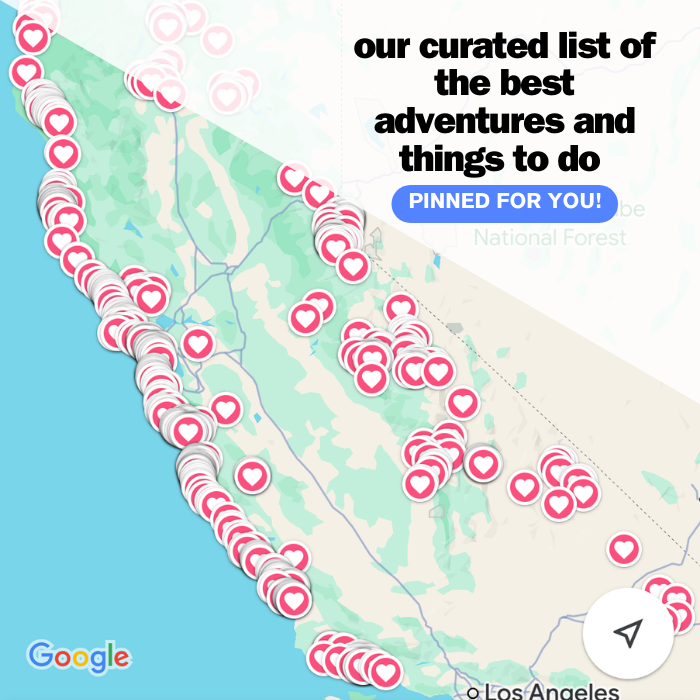
Psst — we made you a West Coast Adventure Map. Nearly 1,900 of our favorite spots, already pinned, ready to load into Google Maps in two clicks — grab it here.
Getting in is the whole point
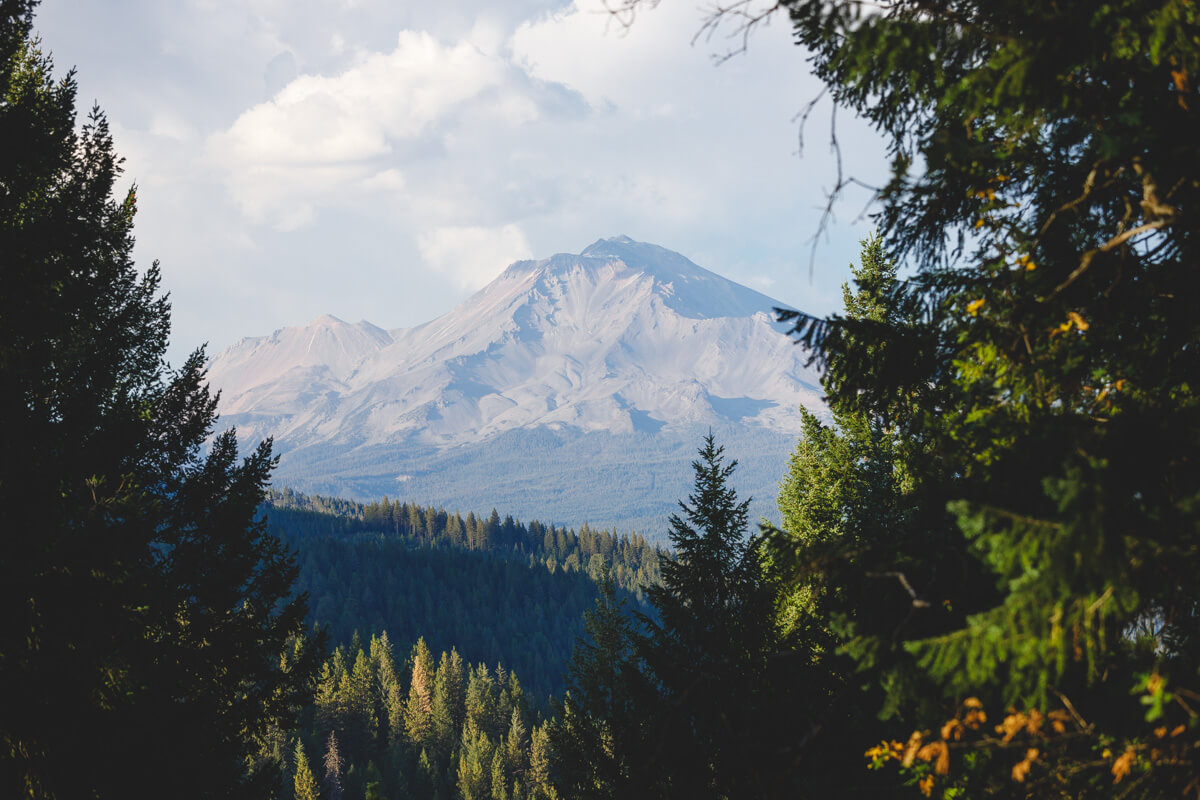
There’s no gate and no ranger station at an entrance, because there’s no entrance to drive to. Visitors launch at Rat Farm, a PG&E-run boat ramp on Big Lake near the tiny town of McArthur in Shasta County, then paddle a couple of miles across open water to reach park land.
Power boats can technically make the crossing, but the water gets shallow fast near shore, so a canoe or kayak is really the move. Once you’re on land, there’s no changing your mind and driving out — private motor vehicles are banned inside the park entirely.
Rat Farm isn’t a cute nickname, either — a muskrat farm actually operated on the site until the 1930s. Somebody in the naming department had a sense of humor, or none at all.
📍 GET THE ULTIMATE CALIFORNIA MAP 🗺️
Get our curated list of the best adventures and things to do north of LA loaded onto your maps with just two clicks!
✅ Waterfalls ✅ Hikes ✅ Viewpoints
✅ National Parks ✅ 1400+ Pins
Where a billion gallons of water a day comes from
Ahjumawi means “where the waters come together” in the language of the Achomawi people, and it’s not a stretch — the park sits at the confluence of the Fall River and a tangle of spring-fed creeks and lakes. Together, they’re part of one of the largest systems of freshwater springs in the country.
These springs push out around 1.2 billion gallons of fresh water a day, all snowmelt that fell on the Medicine Lake Volcano highlands long before it ever reaches daylight here. About two-thirds of the park sits on jagged black basalt from lava flows only two to five thousand years old — young, geologically speaking, and it shows in how sharp the rock still is underfoot.
The people who were here first
The Achomawi — also spelled Ajumawi — are one of eleven bands of the Pit River Tribe, and they still live in this part of Shasta County today. Along the shoreline, you can still find the remains of fish traps they built: low rock walls forming shallow pools that channeled spawning suckers and trout into a catch they deliberately limited to keep the population healthy.
It’s one of the more quietly impressive pieces of California history you’ll come across, mostly because nobody’s built a visitor center around it to tell you so.
What you’ll actually do once you’re there
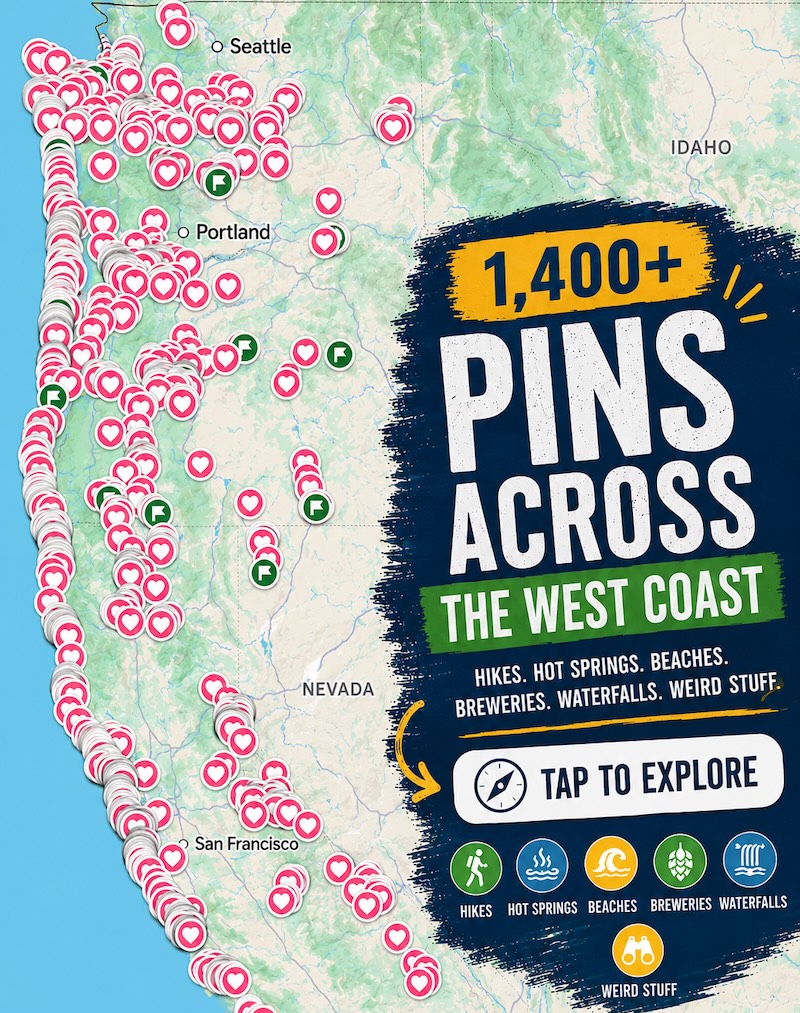
Once you’ve paddled in, there’s close to 20 miles of hiking trail winding through the lava rock, plus fishing — catch-and-keep is allowed, hunting isn’t. On a clear day, you can see both Mount Shasta and Mount Lassen from inside the park.
Camping is primitive and boat-in only, split across sites near Ja-She Creek, Crystal Springs, and the north shore of Horr Pond. It’s first-come, first-served with no reservations, so there’s no guarantee a site’s open when you paddle up. [[VERIFY: current per-night camping fee]]
Ever tried finding a corner of California with zero cell bars? This might be one of the last ones — plan accordingly, because nobody’s coming to find you if you haven’t told someone your route.
Before you go
Check current fire restrictions before you paddle out — the park had a temporary fire order posted as of mid-May 2026, and conditions can shift fast heading into late summer. There’s also no on-site rental, so bring your own canoe or kayak, and pack out everything you bring in since maintenance service is limited right now.
The lava rock terrain is genuinely rugged, so wear real shoes, carry more water than you think you’ll need, and let someone know your route and return time before you launch.
Trip tips: grab a rental car to reach McArthur, lock in a hotel in Redding or Mount Shasta if you’re not camping, or line up a camper van for a basecamp near the launch.
Rules and fees change — always confirm current requirements before you go.