This Malibu beach beat Mavericks and Waikiki to become the world’s first surfing reserve, and the lagoon behind it fills with birds all winter
Of all the surf breaks on the planet, the very first one to get an official “World Surfing Reserve” title sits next to a Malibu parking lot. Not Mavericks. Not Waikiki.
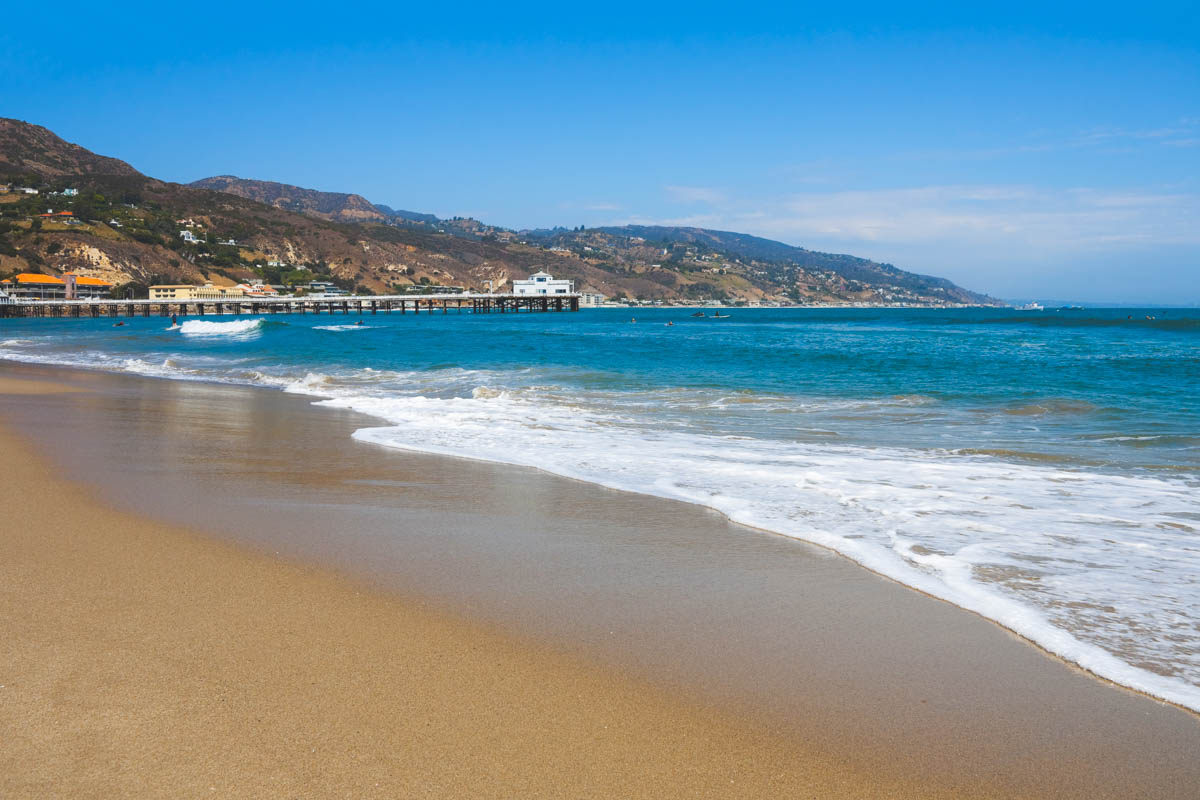
It’s Surfrider Beach, the curving point break beside Malibu Pier, and it beat out more than 125 nominees for the honor in 2010. But here’s the part most people miss: in late fall, the best reason to go isn’t the waves. It’s the lagoon right behind the sand, where Malibu Creek slows down, spreads out and fills up with birds.
Psst, we made you a West Coast Adventure Map. Nearly 1,900 of our favorite spots, already pinned, ready to load into Google Maps in two clicks: grab it here.
Why Surfrider got the crown
Everyone calls it Surfrider Beach, but on paper it’s Malibu Lagoon State Beach. It was dedicated as the first World Surfing Reserve on October 9, 2010, kicking off a global list that later added breaks in Portugal and Australia.
Think of it as a hall of fame for waves, meant to shine a light on protecting the surf spots that matter most. Malibu earned the first slot thanks to its legendary point waves and its huge role in surf culture. Fun fact: the Surfrider Foundation, one of California’s best-known coastal groups, took its name from this exact beach.
The break is split into sections called points. First Point is a longboarder favorite, while Second Point draws the high-performance crowd. Even if you never paddle out, parking yourself on the sand and watching a clean set peel down the point is a very Malibu way to burn an hour.

📍 GET THE ULTIMATE CALIFORNIA MAP 🗺️
Get our curated list of the best adventures and things to do north of LA loaded onto your maps with just two clicks!
✅ Waterfalls ✅ Hikes ✅ Viewpoints
✅ National Parks ✅ 1400+ Pins
Walk the lagoon when the birds move in
The Malibu Lagoon Trail is an easy, wheelchair-accessible out-and-back that runs just under half a mile each way along the water and ends right on the beach. It’s flat enough to do in flip-flops with a coffee in hand.
Winter is when this place really comes alive. Local Audubon bird walks here count around 40 species in June, but that number jumps to somewhere between 60 and 75 during migration and winter.
Watch for egrets and blue herons stalking the shallows, avocets poking through the mud, and pelicans lounging on the sandbar like they own the place. Bring binoculars if you have them. You’ll want them.
One honest heads-up: winter rain can push bacteria levels up where the lagoon meets the ocean. Treat this spot as a look-don’t-swim kind of place after storms, and check any posted water quality advisories before you go in.
Tour the 1929 beach house covered in tile
On the other side of the lagoon sits the Adamson House, a Spanish Colonial Revival beach home built in 1929 for Rhoda Rindge Adamson and her husband, Merritt. Her mother, May Rindge, had founded Malibu Potteries a few years earlier, and the house turned into a showcase for its tile.
And that tile is everywhere: floors, stairways, fountains, even a tile “rug” complete with fringe. People call it the Taj Mahal of Tile, which honestly isn’t much of a stretch.
Malibu Potteries only ran from 1926 to 1932 before a fire wrecked the factory. That makes this house the best place anywhere to see what it made.
Docent-led house tours run Wednesday through Saturday, roughly 11 a.m. to 2 p.m., and cost $7 for adults (bring cash). There are no house tours when it’s raining.
Not up for a tour? The gardens are free to wander daily from 8 a.m. to sunset, and the small Malibu Lagoon Museum next door is free, too. Still, if you do one thing here besides the beach, make it the house tour. It’s about an hour, it’s seven bucks, and you’ll never look at a tiled patio the same way again.
What’s going on with Malibu Pier
The century-old pier still frames every photo here, but don’t plan on walking all the way to the end. The far end has been closed since January 2025 over structural concerns, while the rest of the pier has stayed open.
An emergency project to repair and replace worn-out pilings was scheduled to start in mid-October, and State Parks expects to finish by the end of January 2027. Construction can close more of the pier at times, so check the State Parks pier update page before you go.
The Malibu Farm restaurant near the foot of the pier sits outside the closed area and stays open. The café and surf shop out at the end are closed until repairs wrap up.
Getting there and parking
The lagoon sits right on Pacific Coast Highway in central Malibu, at Cross Creek Road. The state lot on the west side of the lagoon runs about $3 an hour or $12 for the day, it’s open 8 a.m. to sunset, and California State Parks passes are accepted.
If the lot’s full, look for spots along PCH, but those go fast on nice weekends. Also note that dogs aren’t allowed on the beach or the lagoon trails.
My pick? A weekday morning. The light is soft, the lagoon is quiet, and you actually have a shot at parking.
So which half of Malibu are you hitting first: the sand to watch the surf, or the lagoon trail with binoculars? Tell us in the comments.
Trip tips: grab a rental car to cruise PCH out here, and lock in your hotel before the good rooms are gone.
Rules and fees change, so always confirm current requirements before you go.