6 California tide pools worth timing your trip around
You can drive to the same stretch of California coastline twice in one week and see two completely different worlds. Show up at high tide and it’s just waves against rock. Show up at low tide and the ocean pulls back to reveal starfish, anemones, and creatures that look like they escaped a coral reef.
Timing matters more than the destination here. Pull up a tide chart before you go, aim for a tide low enough to actually expose the rocks, and these six spots make the drive worth it.
1. Cabrillo National Monument, San Diego
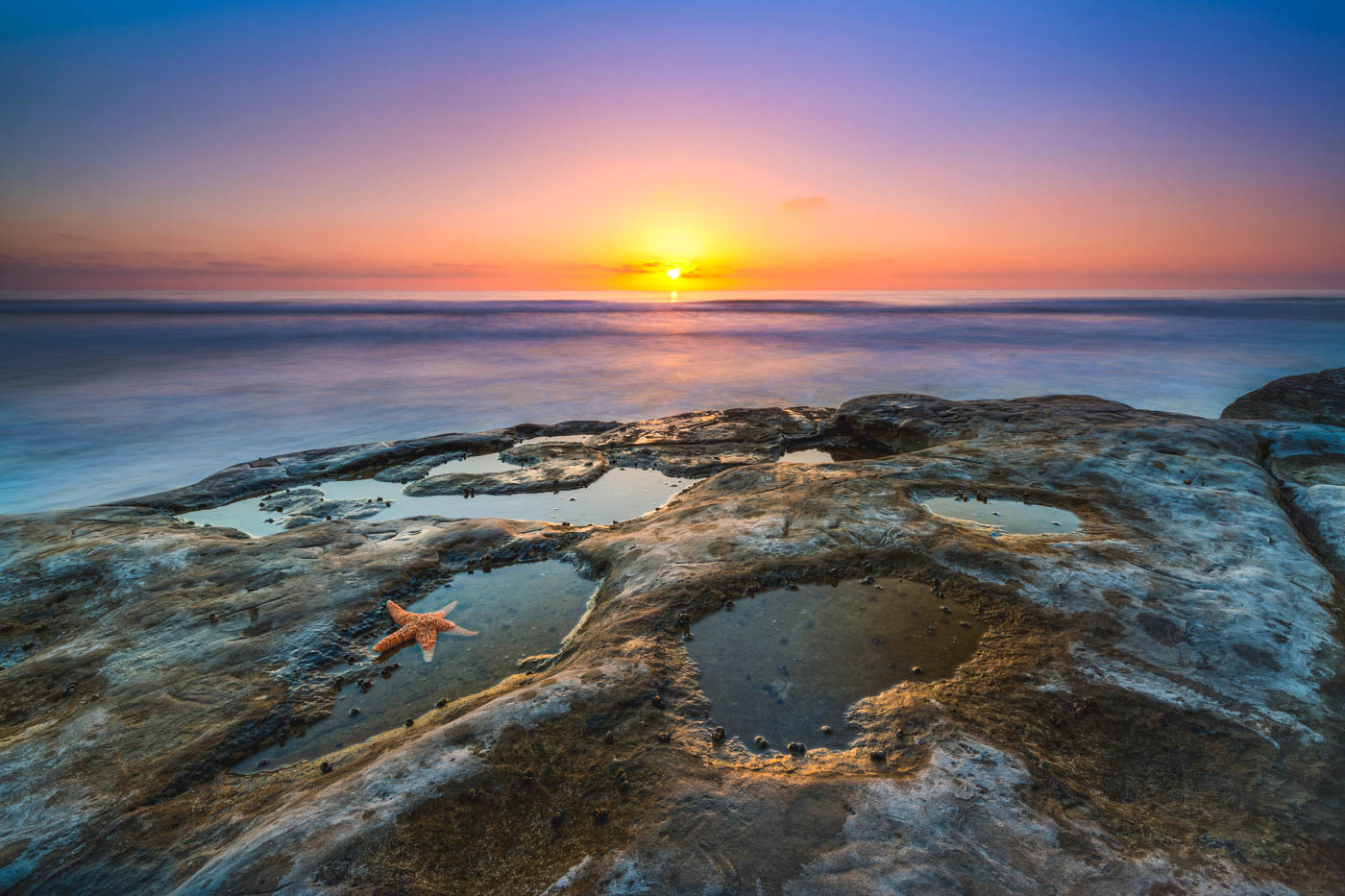
Cabrillo sits at the tip of Point Loma, and its tide pools are some of the most closely monitored in the state — rangers keep tabs on them constantly. Oddly enough, fall and winter beat summer for viewing here: the lowest tides during park hours happen in the colder months, since summer’s extreme lows hit in the middle of the night.
The tidepool area closes at 4:30 p.m., and the park charges $20 per vehicle, good for seven days. If you visit more than one national park a year, the America the Beautiful Pass covers your entrance here too.
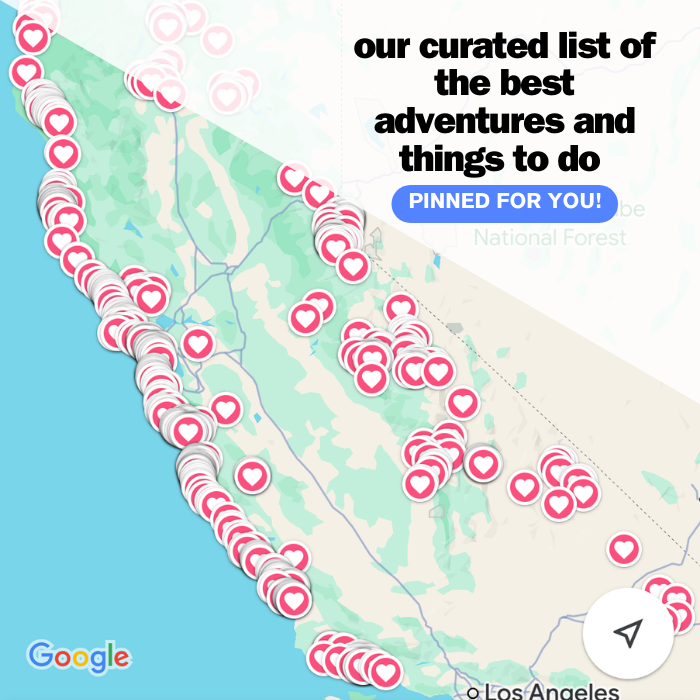
📍 GET THE ULTIMATE CALIFORNIA MAP 🗺️
Get our curated list of the best adventures and things to do north of LA loaded onto your maps with just two clicks!
✅ Waterfalls ✅ Hikes ✅ Viewpoints
✅ National Parks ✅ 1400+ Pins
2. Crystal Cove State Park, Orange County
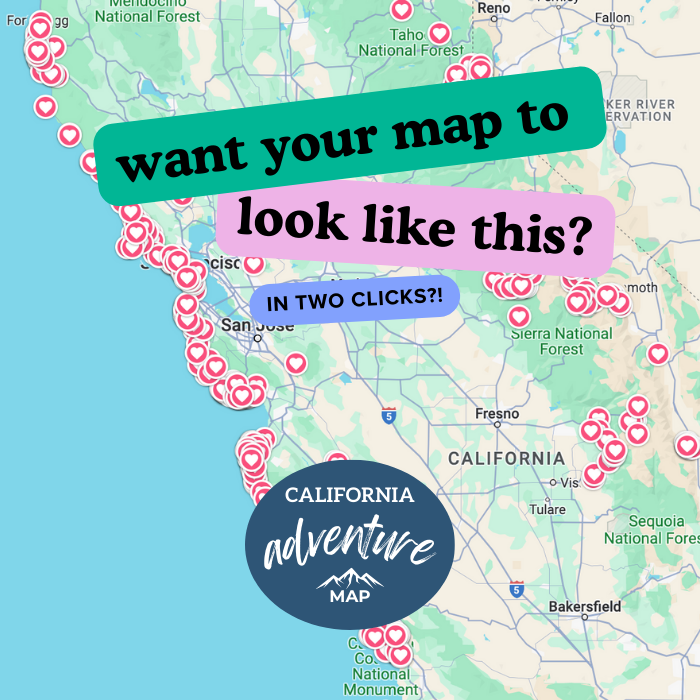
Reef Point is the most famous of Crystal Cove’s four tide pool areas, and it’s easy to see why — a wide, rocky bench packed with anemones, sea stars, and crabs opens up right off Pacific Coast Highway. Pay the $15 day-use fee, park near the first restroom building, and take the stairs down. The whole approach takes minutes.
This is the one to send first-timers to. It’s accessible, well-marked, and dramatic enough to turn a skeptical kid into a tide pool convert on the spot.
3. Montaña de Oro State Park, near San Luis Obispo
Corallina Cove is the name everyone drops for Montaña de Oro’s tide pools, but it’s currently closed. Quarry Cove, just around the corner, is open and delivers the same rose-tinted coralline algae and purple sea stars without the detour.
Park past Spooner’s Cove and follow the Bluff Trail to the stairs down. If you’re making a weekend of it, San Luis Obispo is twenty minutes up the road and worth its own stop.
4. Natural Bridges State Beach, Santa Cruz
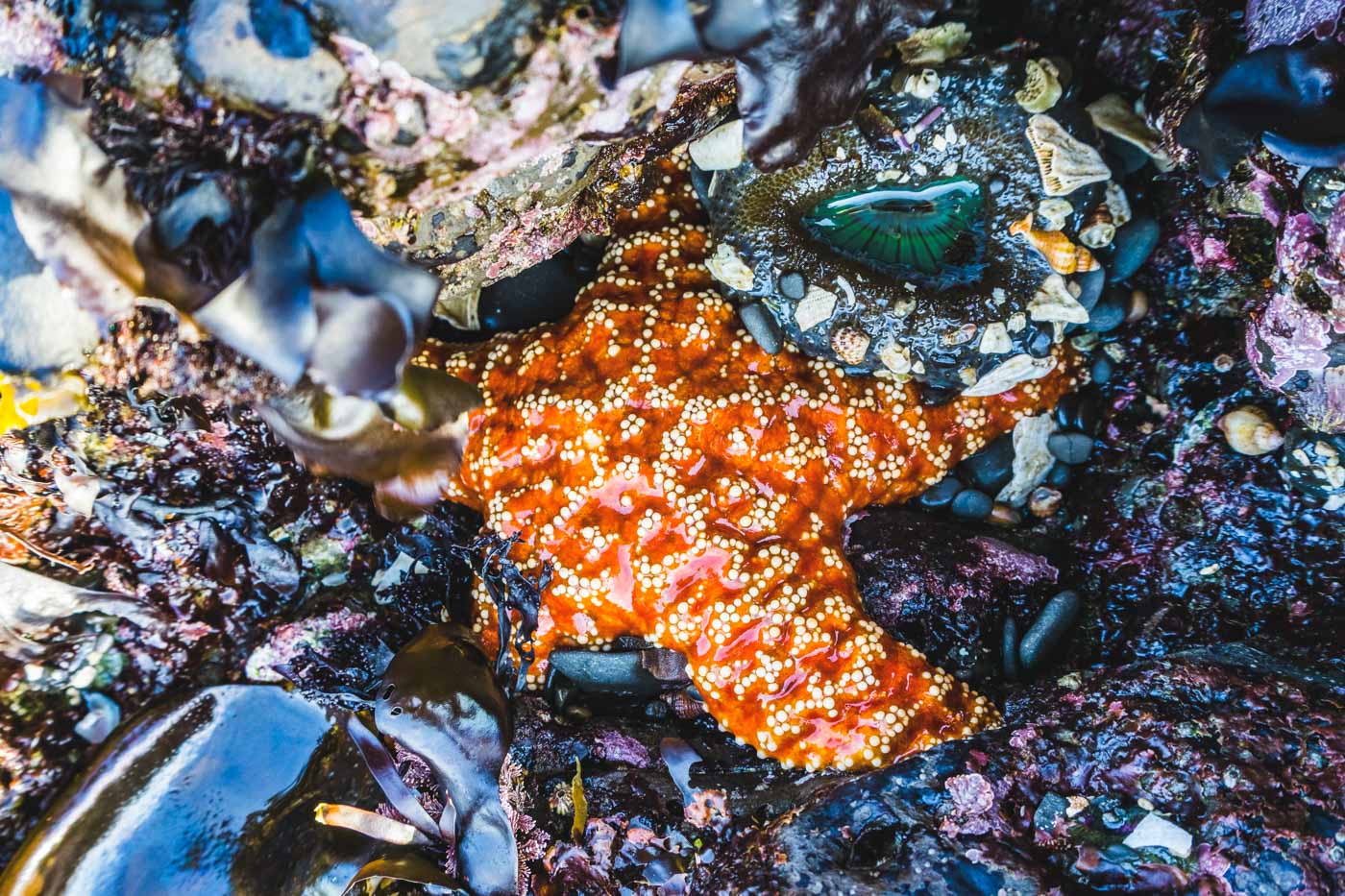
Natural Bridges pairs its tide pools with the wave-carved sea arch the park is named for. At a tide of 2 feet or lower you’ll find green anemones, sea stars, and clusters of mussels clinging to the rocks at its base.
The visitor center hands out maps, and rangers lead public tours on weekends when the tide cooperates. The whole area is a Marine Protected Area, so it’s look-don’t-touch, and the $10 day-use fee gets you the monarch butterfly grove too in season. Santa Cruz has plenty more hiking if you want to stack a full day around it.
5. Fitzgerald Marine Reserve, Moss Beach
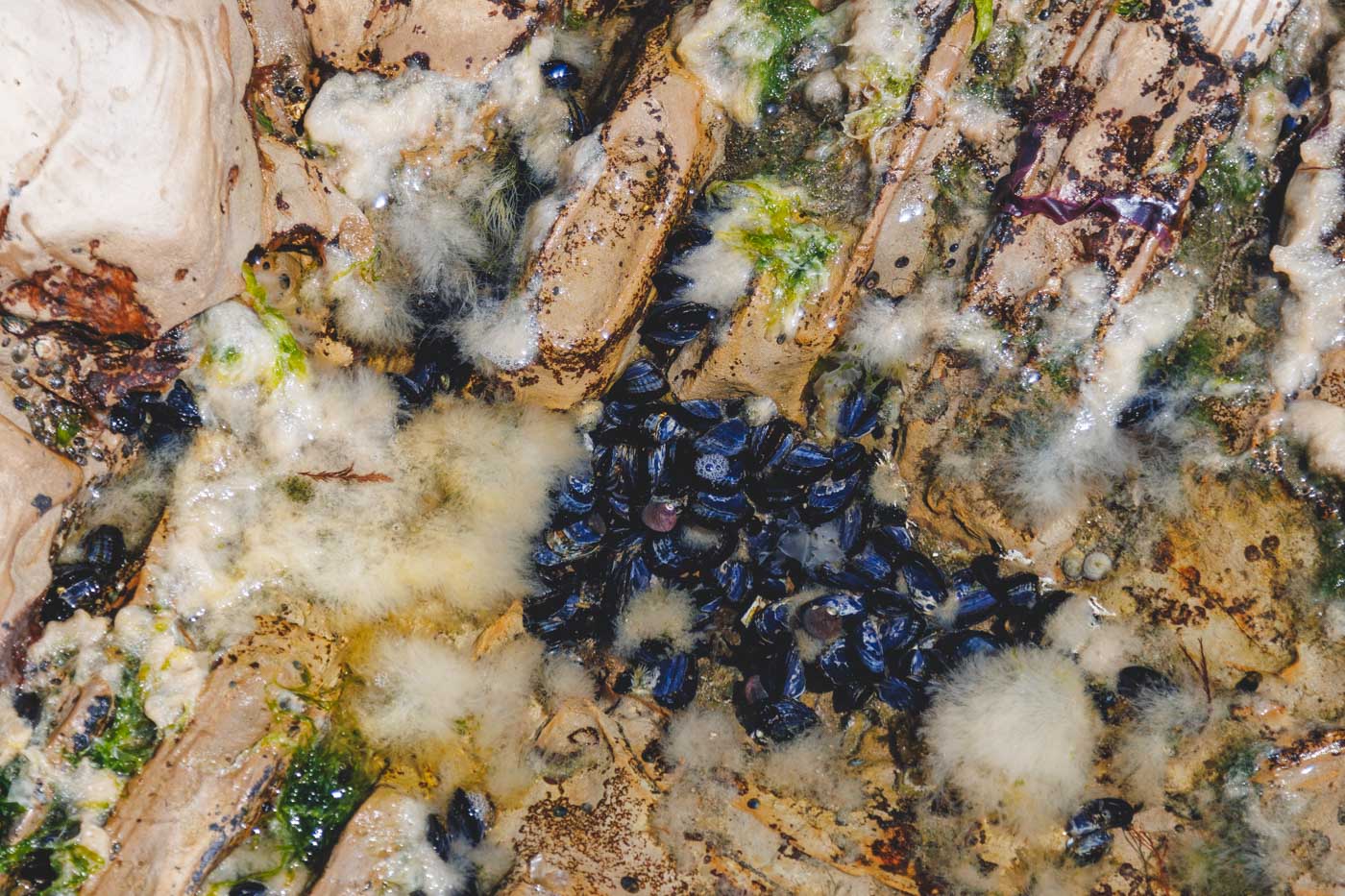
Fitzgerald might be the most underrated stop on this list — free admission, no parking fee, and some of the richest tide pools on the coast thanks to zero and negative low tides that expose crabs, sponges, sea stars, and more than you’ll have time to name.
Hours shift with the season, generally opening at 8 a.m. and closing anywhere from 5 to 8 p.m. depending on the month, so check before you drive out. It’s a straight shot down Highway 1 from San Francisco, which makes this one of the easier tide pool trips to actually pull off on a weekend.
🏨 Need a place to crash nearby?
From rustic cabins to boutique inns—check prices and availability in just a click.
6. Salt Point State Park, Sonoma Coast
Gerstle Cove at Salt Point rounds out the list, and it’s the wildest of the bunch — 6,000 acres of rugged Sonoma coastline wrapped around a marine reserve where sea anemones, chitons, and crabs fill the rocks at low tide.
This water is protected, and the intertidal life here is fragile enough that even turning over a rock can damage it, so nothing gets collected or flipped. If you want to turn this into more than a day trip, Salt Point has its own stretch of coastal trail and camping worth exploring.

Before you go
Tide pooling only works if you show up at the right time. Pull a tide app or chart before you leave the house, aim for a tide low enough to expose the rocks, and give yourself roughly a two-hour window on either side of the lowest point.
Every spot on this list sits inside a protected marine area, which means look but don’t touch — no collecting shells, no flipping rocks, no taking anything home. And wear shoes with real grip; these rocks get slick fast, and a twisted ankle is a rough way to end a beach day.
Trip tips: grab a rental car to string these together into a coastal road trip, lock in a hotel near whichever stretch you’re hitting, or skip both and book a camper van if you’re making a run up the whole coast.
Rules and fees change — always confirm current requirements before you go.