A Monterey street was renamed for Steinbeck’s novel in 1958, and an old cannery whistle still blows over it every day at noon
Monterey changed the name of one of its busiest waterfront streets to match a novel. That’s how much one book mattered here.
For decades it was plain old Ocean View Avenue, a loud, fishy strip of sardine canneries crammed along the bay. Then John Steinbeck wrote about it, and in 1958 the city made the street signs match the book: Cannery Row.
The sardines are long gone, but a surprising amount of the story is still standing. And the best way to see it costs nothing but a comfortable pair of shoes.
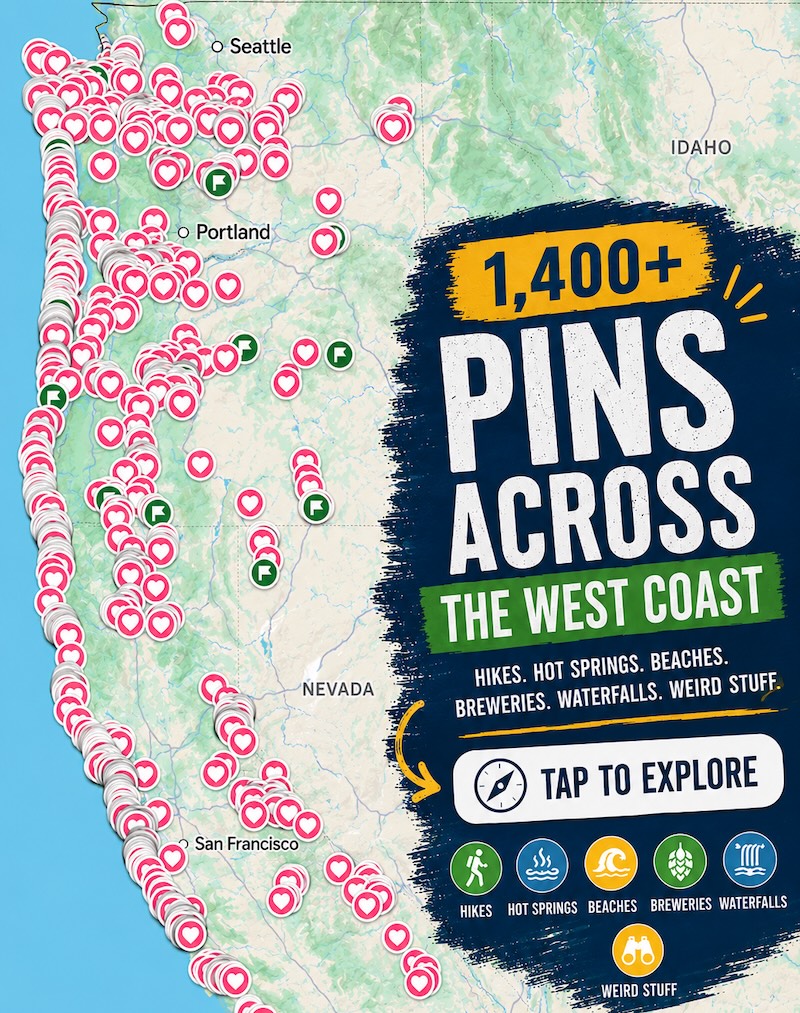
Psst, we made you a West Coast Adventure Map. Nearly 1,900 of our favorite spots, already pinned, ready to load into Google Maps in two clicks: grab it here.
How a sardine street got a novelist’s name
Sardines built this place. Canneries started going up along Ocean View Avenue in the early 1900s, and locals were already calling it Cannery Row by around the end of World War I.
By the mid-1940s, about 30 canneries and reduction plants lined the shore, turning the catch into cans, fishmeal and fertilizer. Steinbeck published Cannery Row in 1945, right at the top of the boom, and followed it with Sweet Thursday in 1954.
Then the fish disappeared. The catch crashed in the late 1940s, and by the time Monterey made the Cannery Row name official in 1958, only five canneries were still hanging on.

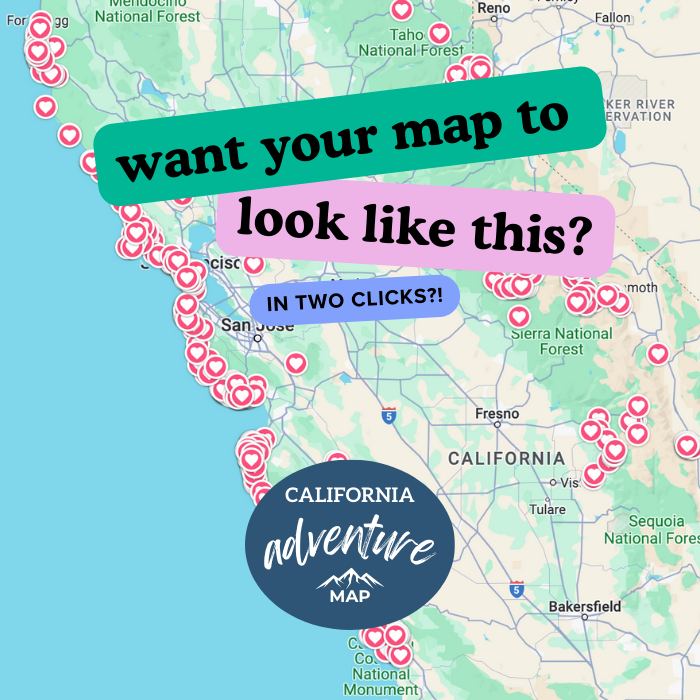
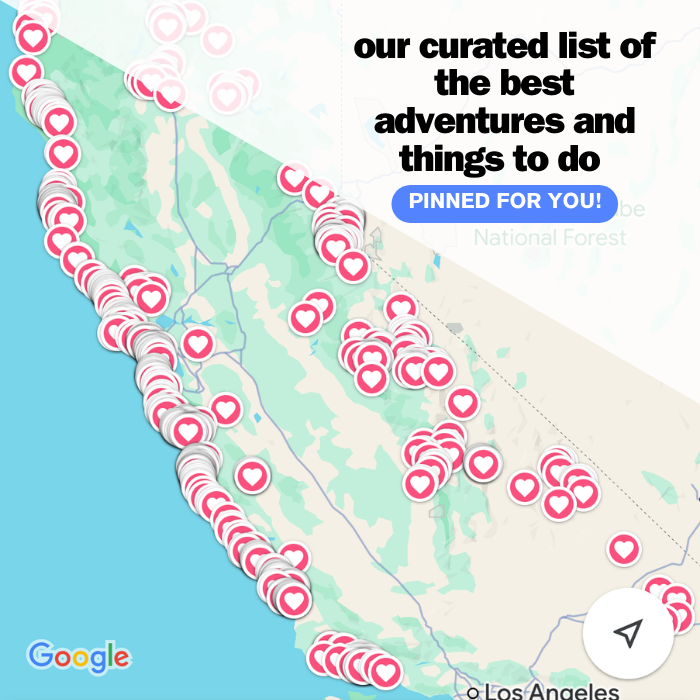
📍 GET THE ULTIMATE CALIFORNIA MAP 🗺️
Get our curated list of the best adventures and things to do north of LA loaded onto your maps with just two clicks!
✅ Waterfalls ✅ Hikes ✅ Viewpoints
✅ National Parks ✅ 1400+ Pins
The real “Doc” worked out of this plain wooden lab
If you’ve read the book, you know Doc, the marine biologist who runs Western Biological. He was based on Ed Ricketts, Steinbeck’s best friend, and Ricketts’ actual lab still sits at 800 Cannery Row.
It’s ridiculously easy to walk right past. There’s no grand entrance, just a modest wooden building about a block from the aquarium.
Ricketts collected and sold marine specimens here until 1948, when a train hit his car near the Row. He was also one of the early voices arguing that overfishing was a big reason the sardines were vanishing, which was not a popular opinion in a cannery town.
The City of Monterey owns the lab now, and the Monterey Public Library runs small-group tours on select Saturdays. Spots are limited and you have to register ahead, so check the city’s lab page before you plan around it.
While you’re standing out front, look across the street. The old Wing Chong Market sign, from a building that shows up in both Steinbeck books, is still hanging there.
The cannery at the end of the Row is now full of sharks
Knut Hovden opened his cannery at the far end of the street in 1916, and it outlasted nearly everyone by switching to squid when the sardines ran out. It finally shut down in 1973, the last cannery on the Row to close.
In 1984, the Monterey Bay Aquarium opened on that same site, built around what was left of the old plant. The original boilers are still inside, and the building was designed to look like the cannery it replaced.
Here’s the detail that gets me: every day at noon, a steam whistle sounds across Cannery Row, a nod to the shift whistles that once called workers to the canneries. Time your walk so you’re out front when it goes off!

Tickets aren’t cheap and prices change, so check the aquarium’s website for current hours and rates. Rainy day? This is your move, since the whole thing is indoors and you can easily burn a few hours in there.
Skip the car and walk the old rail line in
My take: don’t drive Cannery Row. Park once and walk the Monterey Bay Coastal Recreation Trail, a paved path that follows an old Southern Pacific rail corridor right along the water.
The stretch from Fisherman’s Wharf through Cannery Row is nearly flat and runs roughly a mile, so it works for pretty much anyone. Want more? Keep going to Lovers Point in Pacific Grove, around 2.5 miles one way from the wharf.

Keep your ears open near the Coast Guard Pier, where sea lions like to bark at everyone walking by. Past the aquarium toward Pacific Grove, scan the kelp for sea otters floating on their backs.
On the Row itself, look for the Steinbeck bust and the little replica cannery workers’ cottages on Bruce Ariss Way. Bikes share the trail, so stay to the right and keep an eye behind you.
Turning it into a full weekend? Here are our favorite things to do in Monterey, plus the best hikes in Monterey once you’ve had your fill of history.
Read the book first, or just come for the otters?
Honestly, either works. But if you crack open Cannery Row before you go, walking past Doc’s lab and that old market sign hits completely differently.
So which camp are you in: Steinbeck fan or otter spotter? Tell us, and tell us if you’ve ever caught that noon whistle.
Trip tips: grab a rental car to get down to Monterey, and lock in your hotel before the good rooms near the water are gone.
Rules and fees change, so always confirm current requirements before you go.