California has five officially certified dark sky places, and one of the year’s best meteor showers peaks over them next Wednesday
One of the year’s best meteor showers peaks over California in less than a week, and this time the moon barely shows up to compete. The Perseids hit their peak late on August 12 into the predawn hours of August 13, landing almost exactly on a new moon. NASA’s forecast calls for 50-plus meteors an hour after midnight, with none of the usual moonlight drowning out the fainter ones.
Where you watch from matters more than most people think. California holds three certified International Dark Sky Parks and two certified Dark Sky Communities — official recognition from DarkSky International for genuinely protected night skies — and none of them take much planning to reach. Here’s where to actually point the car.
Psst — we made you a West Coast Adventure Map. Nearly 1,900 of our favorite spots, already pinned, ready to load into Google Maps in two clicks — grab it here.
A couple of basics before the list: give your eyes 20 to 30 minutes to adjust once you arrive, and skip the phone flashlight once you’re set up — it resets that adjustment instantly.
Death Valley National Park
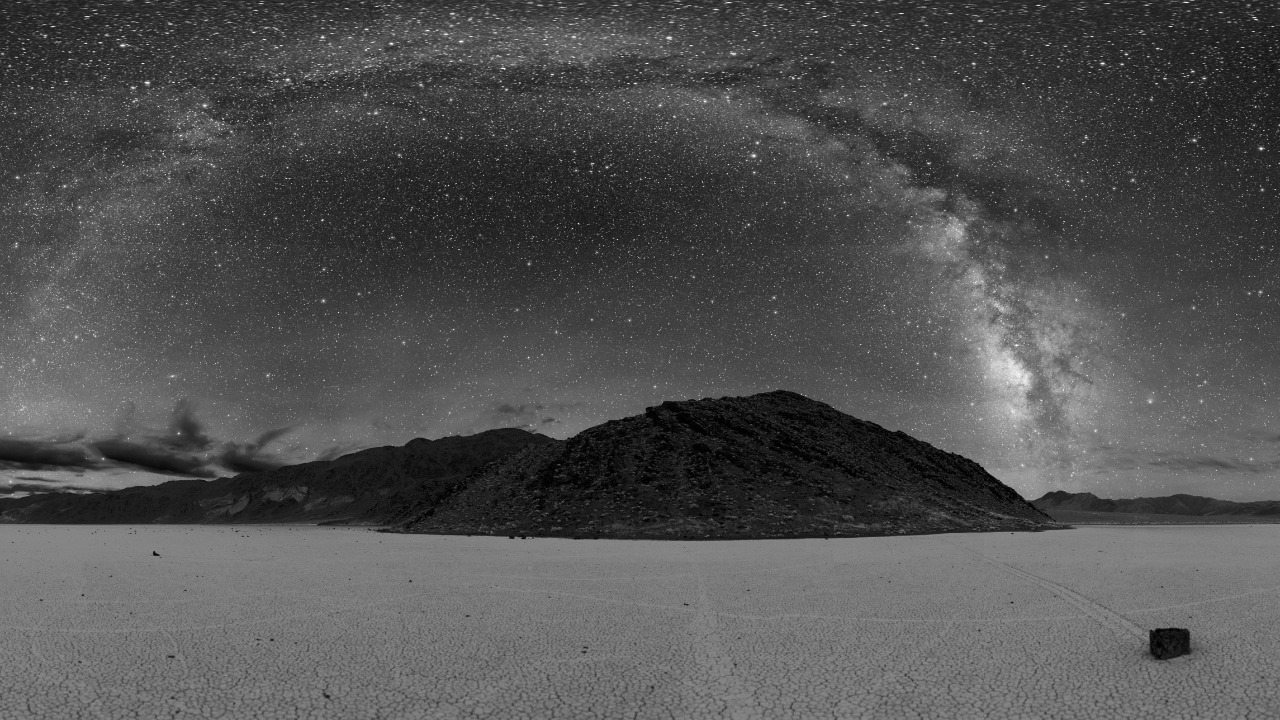
Death Valley became a Gold-tier International Dark Sky Park in 2013, the third park in the entire National Park System to earn DarkSky International’s highest rating. Gold tier is reserved for places with close to zero light pollution anywhere in the sky, in any direction.
August here is no joke — Furnace Creek’s average low this month sits around 89°F, so nightfall doesn’t really cool things down. The National Park Service posts current heat advisories before you go, and this is the month to actually read them.
Entry runs $30 per vehicle for seven days, and an America the Beautiful Pass covers it if national parks are already on your radar this year.
📍 GET THE ULTIMATE CALIFORNIA MAP 🗺️
Get our curated list of the best adventures and things to do north of LA loaded onto your maps with just two clicks!
✅ Waterfalls ✅ Hikes ✅ Viewpoints
✅ National Parks ✅ 1400+ Pins
Joshua Tree National Park
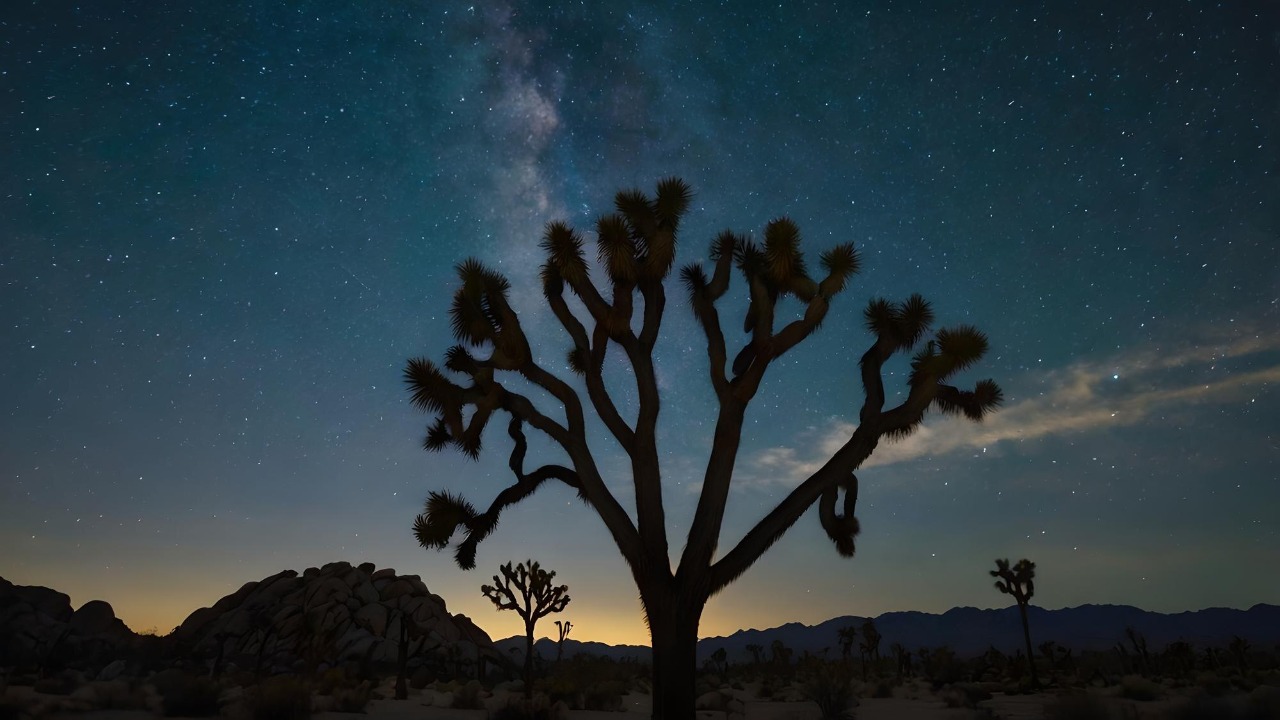
Joshua Tree got its Dark Sky Park certification in 2017, and its desert floor sits low enough that the Milky Way shows up nearly overhead on a clear night. Keys View and the Cholla Cactus Garden are two of the most open, least-blocked spots to set up.
Same $30 vehicle fee, same seven-day window, same America the Beautiful Pass coverage as Death Valley. A headlamp with a red-light mode is worth packing — it keeps your night vision intact, and everyone else stargazing near you will appreciate it too.
Anza-Borrego Desert State Park and Borrego Springs
Anza-Borrego became a Silver-tier International Dark Sky Park in 2018, and the town it wraps around, Borrego Springs, holds its own separate title. Borrego Springs became the second International Dark Sky Community on Earth in 2009, right behind Flagstaff, Arizona.
That double designation means the whole area takes its lighting seriously — streetlights are shielded, storefronts dim after certain hours, and the town actually goes dark once the sun sets. It’s one of the rare places where the “dark sky” label isn’t just marketing.
Julian
Julian became California’s second International Dark Sky Community in May 2021, after five years of rewriting the town’s own lighting rules to qualify. It sits at roughly 4,200 feet in the Cuyamaca Mountains, which means cooler night air than any of the desert floor spots on this list.
There’s no entrance fee and no permit here — just a mountain town with genuinely dark streets, and pie afterward if you’re into that sort of thing.
A backup for the Bay Area
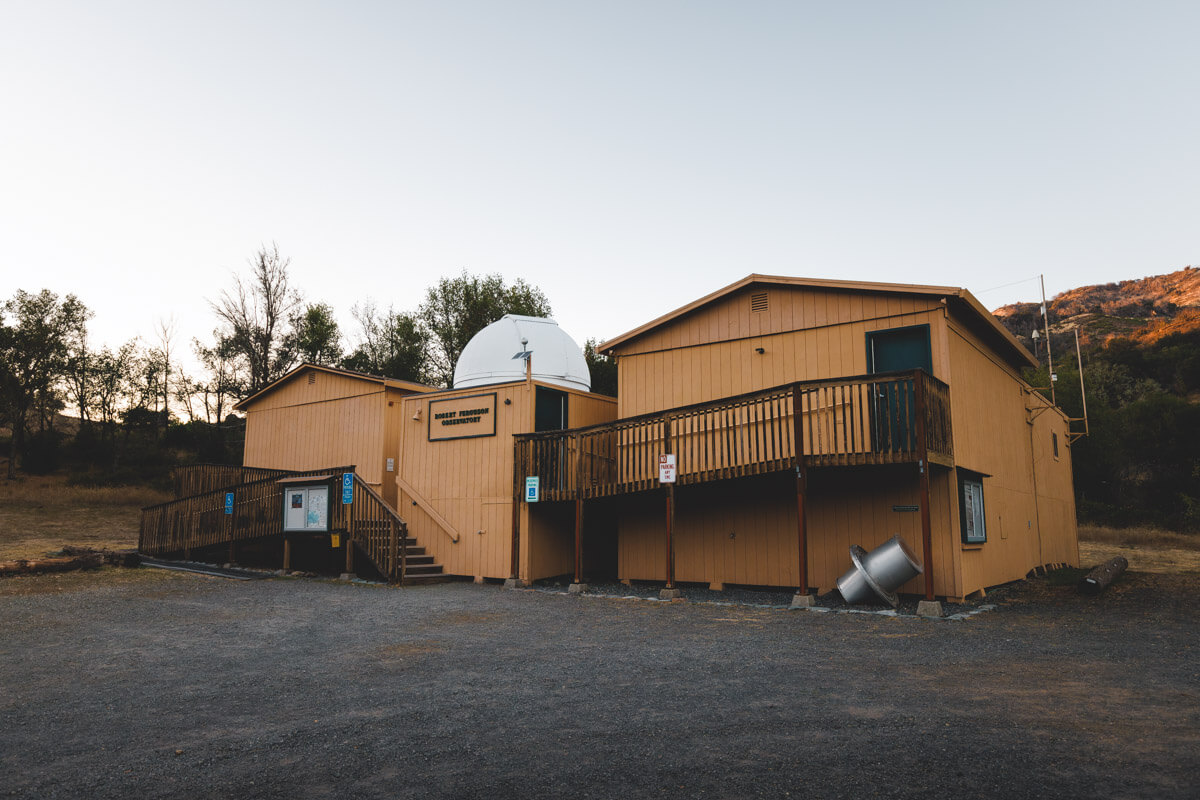
If the desert’s too far for a Wednesday night, Sonoma County has its own option. Sugarloaf Ridge State Park is home to the Robert Ferguson Observatory, the largest telescope open to the public anywhere in Northern California — a 40-inch reflector, alongside two smaller scopes.
It isn’t an officially certified Dark Sky Park, but the observatory runs public star parties most months, with docents on the telescopes and giving talks in between. Tickets run $15 for adults in 2026, with lower prices for students, seniors, and kids 6 to 12.
Read the full guide to Sugarloaf Ridge State Park for the hiking side of a visit — the observatory is only half of what’s up there.
Which one are you driving to on the 12th?
Trip tips: grab a rental car to get out to the desert, lock in a hotel near whichever park you pick, or skip both and book a camper van and sleep under the meteors instead.
Rules and fees change — always confirm current requirements before you go.