What to Pack for a Long-Haul California Road Trip: From the Coast to the Desert
California may be one state, but driving it end to end feels like crossing several countries. In a single long-haul trip, you can wake up to fog rolling over the Pacific in Mendocino, eat lunch among the vineyards of Paso Robles, and watch the sunset paint the dunes of Death Valley in orange and purple. That variety is exactly what makes a California road trip unforgettable, and it is also what makes packing for one so tricky.
Temperatures can swing by 40 degrees or more between the coast and the desert on the same day. Cell service disappears in the mountains. Gas stations can be 50 miles apart on the loneliest stretches of Highway 395 or Route 66. Whether you are tackling the full Pacific Coast Highway, looping through the national parks, or heading inland toward Joshua Tree and Anza-Borrego, the right gear will keep you comfortable, safe, and focused on the scenery. Here is what to pack.
RELATED: Best Road Trips in California: 8 Routes Worth Every Mile
1. Layers for Every Climate Zone
The golden rule of California packing is simple: dress in layers. Mornings along the coast near Big Sur or San Francisco are often cool and misty, even in July. By afternoon, the Central Valley can climb past 100°F. At night in the high desert or the Sierra Nevada, temperatures can drop close to freezing.
Pack these essentials:
- A lightweight waterproof jacket for coastal fog, drizzle, and the spray at viewpoints like McWay Falls.
- A warm fleece or packable down jacket for chilly evenings in Yosemite, Lake Tahoe, or Joshua Tree.
- Breathable, moisture-wicking shirts for hot inland days.
- Convertible hiking pants or shorts that work on a trail and in a small-town diner.
- A beanie and light gloves if your route crosses Tioga Pass or the Eastern Sierra, even in early summer.
Footwear matters just as much. Bring sturdy hiking shoes for redwood trails and desert canyons, sandals for the beaches of Santa Cruz and San Diego, and a comfortable pair for long hours behind the wheel.
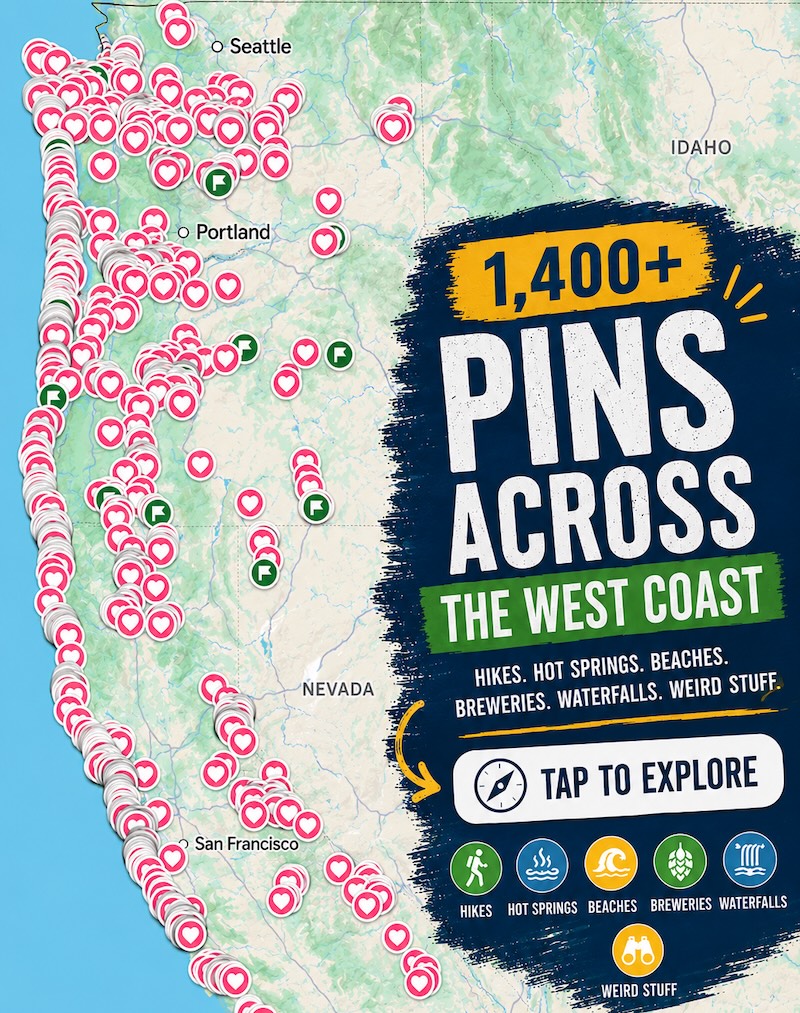
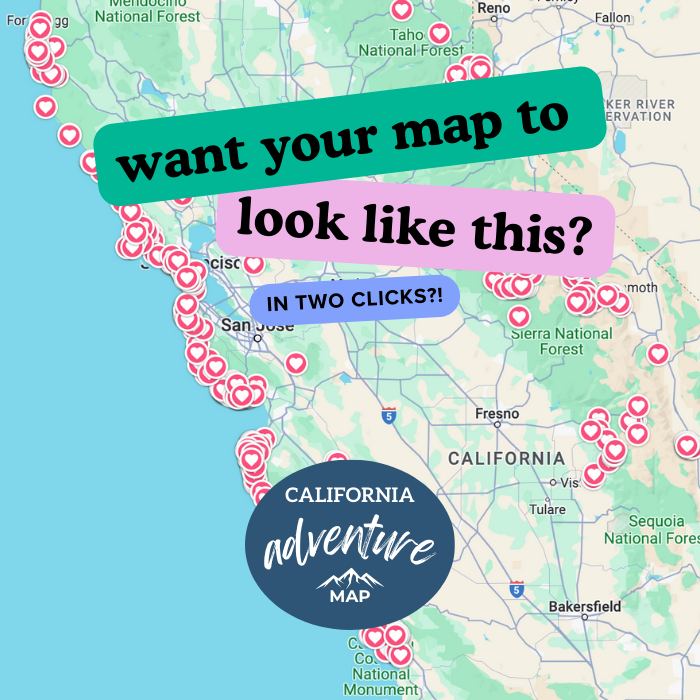
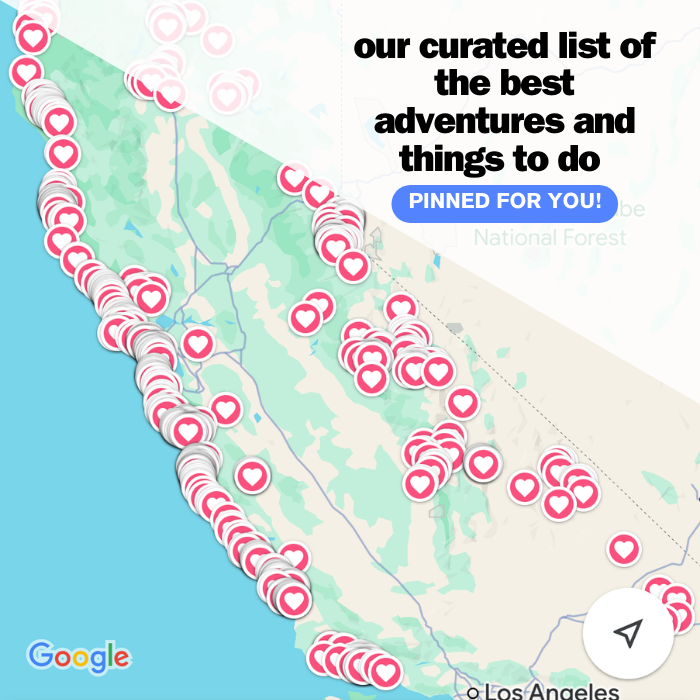
📍 GET THE ULTIMATE CALIFORNIA MAP 🗺️
Get our curated list of the best adventures and things to do north of LA loaded onto your maps with just two clicks!
✅ Waterfalls ✅ Hikes ✅ Viewpoints
✅ National Parks ✅ 1400+ Pins
2. Plenty of Water and Road Snacks
In the Mojave and Colorado deserts, water is not optional. Park rangers in Death Valley recommend carrying at least one gallon per person per day, and more if you plan to hike. Keep a few large refillable jugs in the trunk and a reusable insulated bottle within reach of every seat.
A good cooler is worth the trunk space. Stock it with fresh fruit, sandwiches, and cold drinks so you are not relying on the occasional gas station between Baker and Furnace Creek. Add shelf-stable snacks like trail mix, jerky, nut butter packs, and dried fruit. And leave a little room for local finds: Gilroy garlic, Central Coast strawberries, and date shakes from the Coachella Valley are all worth a stop.
California has plenty of places where your phone shows “No Service” for hours: the Lost Coast, much of Highway 395, the backroads of the Mojave National Preserve, and large parts of Sequoia and Kings Canyon. Before you leave, download offline maps for every region on your route. A printed road atlas or a California State Automobile Association map makes a reliable backup, and it is surprisingly fun to trace your progress by hand.
It also helps to write down key details on paper: campground addresses, hotel confirmation numbers, and the location of the next gas station on remote stretches.
4. A Way to Keep Your Devices Charged
Between navigation, photos of Bixby Bridge, and calls home, your phone will work hard on this trip. Your car’s USB port helps while you drive, but it won’t help at a campsite in Anza-Borrego or during a long day hike in Joshua Tree. A compact power bank is a small item that solves a big problem.
If you are camping for several nights, running a small cooler, or charging cameras and drones, consider a larger portable power station. Paired with a small solar panel, it can keep essentials running under California’s abundant sunshine. Whatever you choose, charge everything fully before you leave each morning.
5. A Roadside Emergency Kit
Long drives through remote areas call for a well-stocked emergency kit. Breakdowns on hot desert highways or winding mountain passes can turn serious quickly, so prepare before you need it.
- Jumper cables and a tire pressure gauge
- A first aid kit with blister care, bandages, and pain relievers
- A flashlight or headlamp with extra batteries
- A basic tool kit, duct tape, and a multi-tool
- Snow chains if you are crossing the Sierra between October and April, as Caltrans often requires them
- A reflective warning triangle
- An emergency blanket and extra water
Also check that your spare tire is inflated and that you know how to change it. Fill up whenever you see a gas station on lonely routes, rather than waiting for the tank to run low.
🏨 Need a place to crash nearby?
From rustic cabins to boutique inns—check prices and availability in just a click.
6. Serious Sun Protection
California’s sunshine is part of its charm, but it is stronger than many visitors expect, especially at high elevations and in the desert. Pack broad-spectrum sunscreen (SPF 30 or higher), a wide-brimmed hat, polarized sunglasses, and SPF lip balm. A lightweight long-sleeve sun shirt is a smart choice for hikes in Joshua Tree or along exposed coastal bluffs. Windshield sunshades will also keep your car from turning into an oven while you explore.
7. Park Passes, Reservations, and Documents
If your route includes several national parks, the America the Beautiful annual pass usually pays for itself after three or four visits. California is home to nine national parks, including Yosemite, Joshua Tree, Death Valley, Redwood, and Pinnacles. Some popular spots require timed-entry or day-use reservations in peak season, so check each park’s website before you go.
Keep a small folder in the glovebox with your driver’s license, vehicle registration, proof of insurance, and printed copies of any reservations. State park day-use passes and campground permits belong here too.
8. Comfort Items for Long Days on the Road
A long-haul trip means many hours in the car, so small comforts add up. Bring a travel pillow, a light blanket, and a playlist or podcast lineup for the stretches with no radio signal. A small trash bag, wet wipes, and hand sanitizer keep the car livable. A reusable shopping bag is handy too, since California charges for single-use bags at most stores.
Finally, pack a lightweight folding chair and a picnic blanket. Some of the best moments of a California road trip happen at unplanned stops: a sunset over the Pacific at Pismo Beach, a quiet lunch under the giant sequoias, or a star-filled night sky at Death Valley, one of the darkest places in the country.
Final Thoughts
A long-haul California road trip rewards travelers who plan for variety. Pack layers for changing weather, plenty of water for the desert, offline maps for remote stretches, and a few smart extras to keep you safe and comfortable. With the right gear in the trunk, you can stop worrying about what might go wrong and enjoy everything that makes the Golden State special, from crashing coastal waves to silent desert dunes.