10 BEST Things to Do in Sequoia & Kings Canyon National Parks
Sequoia and Kings Canyon are two of the most spectacular and underrated national parks in the entire United States — and they sit right next to each other, administered jointly, which means visiting one means you’re basically already at the other.
Most people know about Yosemite. Far fewer make it to Sequoia and Kings Canyon — which is honestly a gift if you do go. The crowds are lighter, the landscapes are equally jaw-dropping, and the trees? The trees are unlike anything else on Earth.
Here’s everything you need to know about what to do in Sequoia and Kings Canyon National Parks.
Before You Go — The Basics
Entrance fee: $35 per vehicle (7-day pass), good for both parks. Download the NPS app and save offline maps — cell service is essentially gone once you’re inside.
Best time to visit: Late May through October for full access. Snow closes higher-elevation roads in winter, including the Generals Highway section between the parks — check NPS road conditions before going. Spring (May–June) brings snowmelt waterfalls at peak power. Fall is gorgeous and less crowded.
Entrances: Enter Sequoia from the south via Highway 198 through Three Rivers (most common). Enter Kings Canyon from the west via Highway 180 through Fresno. The Generals Highway connects them — a winding, spectacular, occasionally stomach-churning mountain road.
Plan at least 2 days. One day is enough for Sequoia’s highlights. Kings Canyon’s Cedar Grove area deserves its own full day. If you try to do everything in a single rushed day, you’ll miss what makes these parks special.
📍 GET THE ULTIMATE CALIFORNIA MAP 🗺️
Get our curated list of the best adventures and things to do north of LA loaded onto your maps with just two clicks!
✅ Waterfalls ✅ Hikes ✅ Viewpoints
✅ National Parks ✅ 1400+ Pins
Sequoia National Park
1. Stand Next to General Sherman Tree
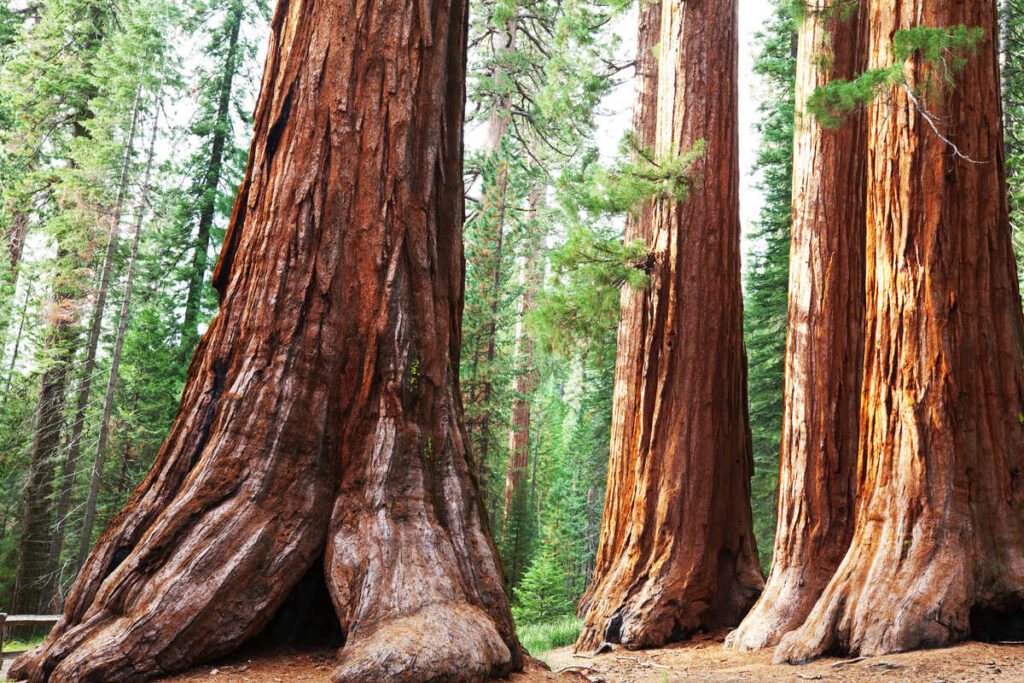
The General Sherman Tree is the largest living tree on Earth by volume — 274 feet tall, 36 feet in diameter at the base, and estimated to be between 2,300 and 2,700 years old. It holds over 52,000 cubic feet of wood in its trunk alone.
No photo prepares you for standing next to it. It’s genuinely one of those moments where the scale of a natural object just breaks your brain a little.
The trailhead parking fills up fast in summer — take the free park shuttle from the Lodgepole or Wolverton areas, which runs every 15 minutes between 8am–6pm in peak season. The trail down from the upper lot is 0.8 miles round trip, paved, accessible.
After General Sherman, continue on the Congress Trail — a 2-mile loop through the Giant Forest that passes the Senate Group, House Group, and some of the most impressive sequoia groves in the park. Much less crowded than the Sherman Tree itself.
2. Climb Moro Rock
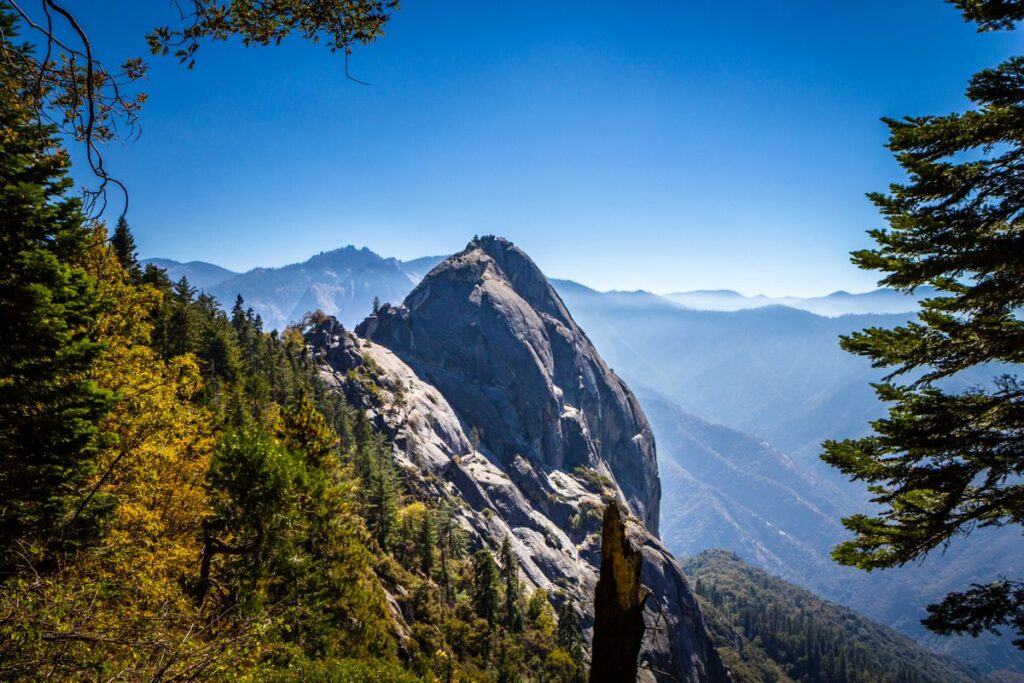
Moro Rock is a massive granite dome rising out of the forest, and the 400-step staircase to the summit (0.4 miles, 300 feet gain) delivers one of the best panoramic views in all of California — the Great Western Divide, the Kaweah Peaks, the San Joaquin Valley stretching to the horizon on clear days, and a 360-degree spread of the Sierra Nevada that’s genuinely breathtaking.
It’s steep and the steps are narrow in places, but the effort is completely disproportionate to the reward — 15 minutes of climbing for views that rival anything in the park.
Go at sunrise if you can. The light on the granite and the quiet of early morning make Moro Rock feel like a completely different experience from the midday crowds.
Getting there: Take the shuttle or drive Crescent Meadow Road from the Giant Forest Museum.
3. Hike to Tokopah Falls
Tokopah Falls is the tallest waterfall in Sequoia National Park — a 1,200-foot cascade tumbling down the dramatic granite face of the Tokopah Valley — and the trail to reach it is one of the best easy-to-moderate hikes in the park.
The 4-mile round trip trail starts behind Lodgepole Campground, follows the clear Marble Fork of the Kaweah River through forest and boulder fields, and ends at a viewpoint where the falls pour down the Sierra Nevada’s western slope. Wildflowers line the trail in early summer, the river is loud and gorgeous the whole way, and the final view of the falls is spectacular.
Best in late spring and early summer when snowmelt is running strong. By late September flows diminish significantly.
🏨 Need a place to crash nearby?
From rustic cabins to boutique inns—check prices and availability in just a click.
4. Tour Crystal Cave
Crystal Cave is the only cave in Sequoia and Kings Canyon consistently open to the public, and it’s a genuinely impressive one — polished marble walls, stalactites, stalagmites, flowstone formations, and passages that feel like they belong underground on another planet.
Guided tours run from mid-May through late November and take about 45 minutes inside the cave. The cave stays at a consistent 48°F year-round — bring a layer.
Important: Tickets must be purchased in advance at the Lodgepole or Foothills visitor centers — no tickets sold at the cave itself. They sell out, especially on summer weekends. Book as early as you can.
Getting there: A 7-mile side road off Generals Highway. Not accessible by park shuttle — you need your own vehicle.
5. Walk the Big Trees Trail & Crescent Meadow
The Big Trees Trail is a flat, easy 1.3-mile loop around Round Meadow in the Giant Forest, and it’s one of the most accessible sequoia experiences in the park — interpretive signs along the route explain sequoia ecology, the meadow is gorgeous in morning light, and the trees lining the path are massive.
Crescent Meadow, a short drive further on Crescent Meadow Road, is where John Muir reportedly called the “gem of the Sierra.” A lovely, flat 1.7-mile loop circles the meadow through sequoias and wildflowers with far fewer people than the Sherman Tree area. The nearby Tharp’s Log — a hollowed sequoia log that served as a cabin in the 1800s — is worth the short detour.
Both are perfect for families, casual walkers, or anyone who wants to be among the big trees without a serious hike.
6. Drive Through Tunnel Log
Tunnel Log is exactly what it sounds like — a fallen giant sequoia with an 8-foot-high, 17-foot-wide tunnel carved through the trunk, wide enough to drive a regular vehicle through. It fell in 1937 and the tunnel was carved in 1938 rather than remove the massive tree.
It’s silly. It’s wonderful. Do it anyway.
Located on Crescent Meadow Road just past Moro Rock. There’s a bypass trail for vehicles too tall to fit.
Kings Canyon National Park
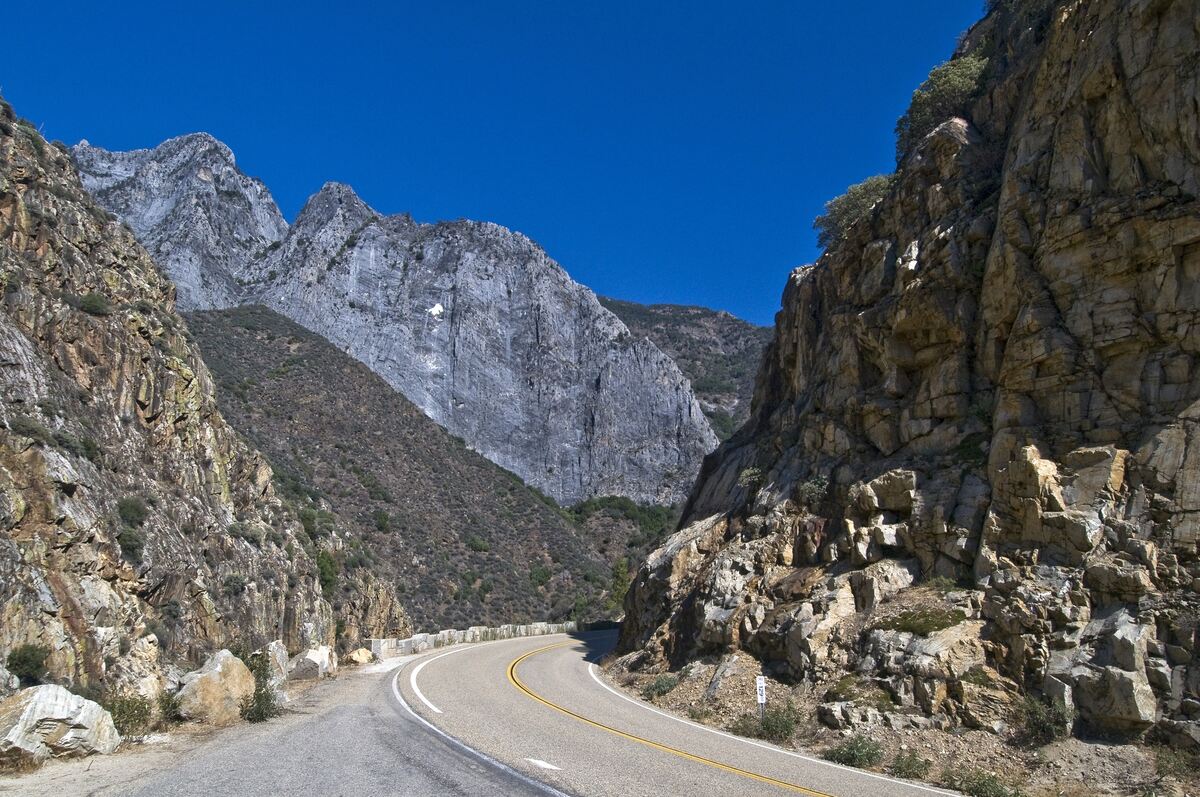
7. Drive the Kings Canyon Scenic Byway
The Kings Canyon Scenic Byway (Highway 180) from Grant Grove down into Cedar Grove is one of the most dramatic drives in California — 36 miles of winding road descending into one of the deepest canyons in North America, carved by the Kings River to depths rivaling the Grand Canyon.
The canyon walls rise thousands of feet above the road. The river rushes alongside. The scale is hard to comprehend. Stop at every pullout.
Notable stops along the byway: Grizzly Falls (short walk to a lovely waterfall), the Kings Canyon Visitor Center in Cedar Grove, and the canyon viewpoints that keep getting better the deeper you go.
Note: The road to Cedar Grove is open late April through mid-November and closes in winter. Check conditions before the drive.
🕒 Save hours of planning time! ⛰️
📍 Get The Ultimate West Coast Map
1400+ breweries, trails, waterfalls, beaches, and weird roadside stops—mapped for you!
8. See the General Grant Tree — Kings Canyon
The General Grant Tree in Kings Canyon’s Grant Grove is the third-largest tree in the world by volume, nicknamed “The Nation’s Christmas Tree” and the only living national shrine in the US — dedicated by President Coolidge in 1926 in honor of veterans.
It’s slightly smaller than General Sherman but standing in the Grant Grove — surrounded by dozens of massive sequoias and far fewer visitors — feels more peaceful and intimate than the Sherman Tree experience. The 0.6-mile Grant Tree Trail loop is accessible and gorgeous.
Combine with the Big Stump Trail nearby for some historical context — this area was once logged, and the massive stumps left behind are both haunting and sobering.
9. Hike to Zumwalt Meadow & Roaring River Falls
Two of the best easy walks in Kings Canyon are right next to each other in the Cedar Grove area:
Roaring River Falls is a short 0.3-mile walk to a powerful 40-foot waterfall crashing through a granite gorge into a clear pool. One of the most beautiful and accessible waterfalls in the parks — easy enough for any visitor.
Zumwalt Meadow is a 1.5-mile loop that crosses a suspension bridge over the Kings River and circles a gorgeous mountain meadow surrounded by canyon walls. Best early morning when the light is soft and wildlife (deer, black bears, birds) are active. Arguably the most scenic easy walk in Kings Canyon.
Do both. They’re less than a mile apart.
10. Hike to Mist Falls
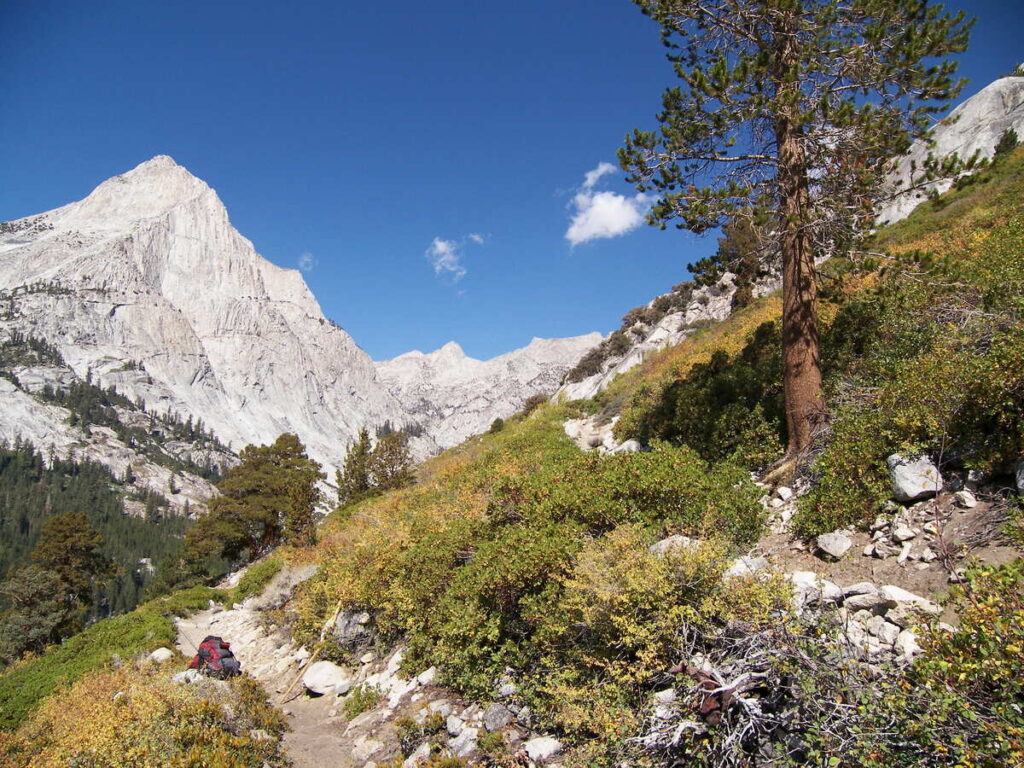
Mist Falls is the payoff hike of Kings Canyon — a 6-mile round trip that follows the Kings River from Road’s End up into the backcountry, ending at one of the largest waterfalls in the Sierra Nevada. The trail is well-maintained, moderately strenuous, and stunning the entire way — canyon walls towering above, clear river rushing alongside, and the roar of the falls growing louder as you approach.
Best in late May through early July when snowmelt pushes the falls to full power. By late summer flows diminish.
This is the trail for anyone who wants a proper full-day hiking experience in Kings Canyon. Bring plenty of water and start early — the canyon gets warm in the afternoon.
Tips for Visiting Sequoia & Kings Canyon
Shuttle is your friend in Sequoia. Summer parking at the main trailheads (Sherman Tree, Moro Rock) is extremely limited. The free park shuttle covers all major stops and saves you significant frustration — use it.
Bears are real. Both parks have active black bear populations. Food storage in bear boxes or canisters is required — your car is not bear-proof and damage from bears breaking in is not covered by any insurance. Take this seriously.
Generals Highway is narrow and winding. Vehicles over 22 feet are prohibited on parts of the road. Take it slow, pull over for oncoming traffic, and don’t stress the switchbacks.
Book Crystal Cave tickets early. They sell out. There is no on-site ticket sales.
Pack layers. Elevations in these parks range from 1,300 feet to over 14,500 feet. Even summer mornings can be cold at higher elevations.
Where to Stay
Inside the parks: Wuksachi Lodge in Sequoia is the main full-service option. Cedar Grove Lodge in Kings Canyon is rustic and right on the river — a gem if you can get a room. Both campgrounds fill fast — book months in advance on recreation.gov.
Outside the parks: The town of Three Rivers at the Sequoia entrance has motels, vacation rentals, and restaurants. Visalia and Fresno are larger base camp cities about an hour out.
More California Adventures
Sequoia and Kings Canyon are part of California’s extraordinary Sierra Nevada corridor. Check out our guides to things to do in Yosemite, best hikes in Lake Tahoe, and hidden trails in Sequoia and Kings Canyon for more Sierra adventures.
Happy exploring, friend!